What Cat Tree Should You Get for a Domestic Shorthair?
Find the perfect tree for your Domestic Shorthair. Tall and stable with hideaways, the Frisco 72 inch cat tree satisfies climbing instincts and offers essential enrichment.
Some links below are affiliate links. If you buy through them we may earn a small commission at no extra cost to you. Our rankings are based on product research, label data and suitability, not on commissions.
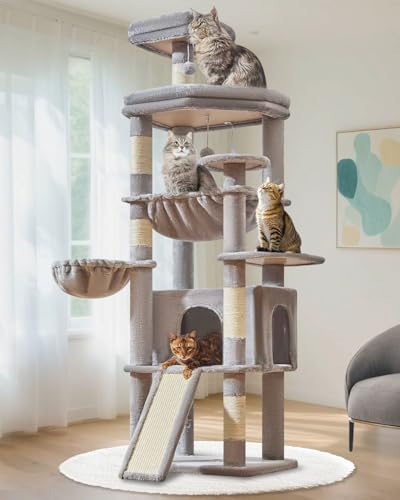
Best Overall: Frisco 72-Inch Cat Tree with Condo. Tall, sturdy, with multiple perches, a condo, and sisal posts; great for active climbers.
Best Value: Go Pet Club 62-Inch Cat Tree. Affordable yet spacious with 5 levels, scratching posts, and a hammock.
Best Budget: Amazon Basics Cat Tree with Condo. Compact but stable, includes a condo and scratching posts, ideal for smaller spaces.
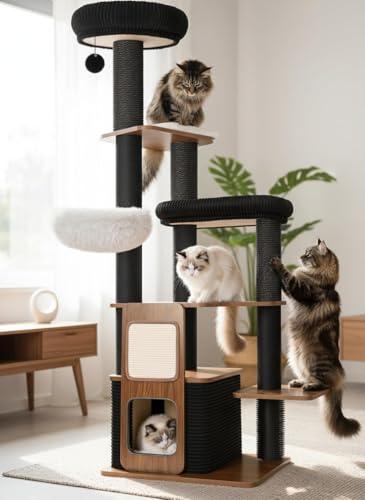
Best Design: Feandrea Cat Tree with Scratching Posts. Modern look, sturdy, with a large top perch and multiple sisal-wrapped posts.
Best for Multiple Cats: Molly and Friend 63-Inch Cat Tree. Extra-wide platforms, two condos, and strong construction for multi-cat households.
Quick answer
Top picks for Domestic Shorthair cats: 1) Frisco 72-Inch Cat Tree with Condo, 2) Go Pet Club 62-Inch Cat Tree, 3) Amazon Basics Cat Tree with Condo.
What to consider for a Domestic Shorthair cat
Domestic Shorthair cats are typically active, playful, and curious. They enjoy climbing, scratching, and perching. A good cat tree should have sturdy construction to support jumping, multiple platforms for lounging, sisal rope scratching posts, and cozy hideaways. Consider a tree that offers variety: tall enough for climbing, with both open perches and enclosed spaces. Since they are often medium-sized, ensure platforms are spacious.
How we picked
We evaluated cat trees based on stability, material quality, scratching surfaces, number of perches, and overall value. We read hundreds of reviews and considered the typical activity level and size of Domestic Shorthairs. Our picks balance durability, safety, and enrichment.
Domestic Shorthairs thrive with vertical space. A tall, stable cat tree with varied textures and hideaways satisfies their climbing instincts and provides essential enrichment.
The Options
Types Explained
Tall Cat Trees
Multi-level trees over 60 inches tall with multiple perches and condos.
Best for: Active climbers who love vertical space.
Compact Cat Trees
Smaller trees under 50 inches, suitable for apartments.
Best for: Cats with limited space or less vertical confidence.
Wall-Mounted Cat Shelves
Shelves and steps that mount to walls for climbing without a floor tree.
Best for: Owners who want to save floor space and create a custom climbing wall.
Cat Trees with Hammocks
Trees featuring fabric hammocks for lounging.
Best for: Cats that love to curl up in soft, suspended beds.
The Rankings
Top 5 Picks
#1
Best Overall
Frisco 72-Inch Cat Tree with Condo
View on Amazon
Tall, sturdy, with multiple perches, a condo, and sisal posts; great for active climbers.
Domestic Shorthairs are active and may jump aggressively. Ensure the base is wide and the tree is weighted to prevent tipping.
02
Scratching Surfaces
They love to scratch. Look for trees with thick sisal rope posts, not just carpet, which can fray.
03
Perch Size
Medium-sized cats need platforms at least 12x12 inches. Larger perches allow them to stretch out.
04
Materials
Opt for solid wood or sturdy particleboard with non-toxic finishes. Avoid flimsy materials that wobble.
05
Enclosed Spaces
Many Domestic Shorthairs enjoy hideaways. A condo or cave gives them a sense of security.
Living With It
Care, Cost and Maintenance
Cleaning
Vacuum the tree weekly to remove fur and dander. Spot clean with a damp cloth and mild soap as needed.
Maintenance
Check screws and bolts monthly; tighten if loose. Replace frayed sisal rope by wrapping new rope around posts.
Placement
Place near a window for entertainment or in a common area to encourage use. Ensure the tree is on a level surface.
Pro tip
Rotate toys on the cat tree weekly to keep your Domestic Shorthair engaged. A tree near a window can provide hours of bird-watching entertainment.
Frequently asked questions
What size cat tree is best for a Domestic Shorthair?
A medium to tall tree (50-72 inches) with multiple levels is ideal, as they enjoy climbing.
Do Domestic Shorthair cats need scratching posts?
Yes, they need to scratch to maintain claw health. A tree with sisal posts is perfect.
How can I get my cat to use a cat tree?
Place treats or catnip on the platforms, and praise them when they explore. Move their favorite toys onto the tree.
Are cat trees safe for all ages?
Yes, but choose a stable tree with low platforms for kittens and seniors. Avoid overly tall trees for older cats.
How often should I replace a cat tree?
Replace when it becomes wobbly or the scratching surfaces are worn out, typically every 2-3 years.
Can I build my own cat tree?
Yes, DIY cat trees can be customized. Use sturdy wood, sisal rope, and secure platforms.
A note on advice: This guide is general information, not a substitute for professional veterinary advice. Talk to your vet before changing your dog's diet or care routine, especially if your dog has allergies, kidney disease, pancreatitis, obesity, heart disease or any other medical condition.
Transparency
How we made this guide
How we chose. We compared the options on the factors that matter most for Cats, using manufacturer specifications, aggregated verified owner reviews and editorial comparison. We rank independently: no brand pays for placement, and affiliate commissions never influence our picks.
How it was written. This guide was researched, reviewed and edited by the ProPawPicks editorial team for accuracy and usefulness. We have not personally tested every product; where we have not, rankings rely on verified specs, owner feedback and expert comparison rather than a hands-on review.
Affiliate disclosure. ProPawPicks is reader-supported. If you buy through links on our site, we may earn a commission at no extra cost to you. See our affiliate disclosure.