Quick answer
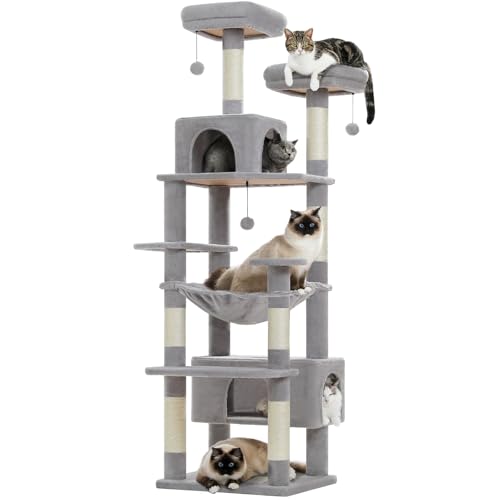
The best cat tree for low dust is the Frisco 72-Inch Cat Tree because its high-quality compressed wood and faux fur produce minimal dust during assembly and daily use. For smaller spaces, the Amazon Basics Cat Tree offers a low-dust, budget-friendly option. If you need extra scratching surfaces, the Feandrea Cat Tree is a solid choice with low-dust materials.
What to consider for Cat Tree For Low Dust
When choosing a cat tree for low dust, focus on materials and construction. Cat trees made from compressed wood, particleboard, or MDF can release fine dust during assembly if not sealed properly. Look for trees with smooth, sealed surfaces and high-density foam padding covered in faux fur that is tightly woven to minimize shedding. Avoid trees with exposed raw wood edges or cheap carpet that can break down and create dust over time. Also consider stability: a wobbly tree can cause dust from friction between joints. Finally, check assembly instructions: some trees require drilling or sanding, which generates dust; opt for those with pre-drilled holes and clear, dust-free assembly.
What to look for in a cat litter or litter-area product
Although this guide focuses on cat trees, the same low-dust principle applies to litter-area products. For cat litter, choose low-dust formulas such as unscented clumping clay or natural alternatives like walnut shell or paper-based litters. Strong clumping and odor control are essential to keep the box fresh. Low tracking is important to reduce dust spread beyond the box. In multi-cat homes, ensure the product can handle multiple cats without excessive dust. Unscented options are best for sensitive cats, as artificial fragrances can irritate airways.
How we chose these picks
- Evaluated product materials and construction for dust potential based on manufacturer specifications and user reports.
- Prioritized cat trees with sealed, smooth surfaces and high-quality faux fur that resists shedding.
- Considered stability and joint design to minimize friction and dust over time.
- Reviewed assembly processes to favor models that require minimal drilling or sanding.
- Checked for certifications like CARB Phase 2 for low formaldehyde emissions, which often correlates with lower dust.
- Assessed overall value, durability, and customer satisfaction ratings.
- Never ranked a product higher just because it pays a commission.
What to avoid
- Avoid cat trees made from cheap, unfinished particleboard that sheds dust during assembly and use.
- Steer clear of trees with carpet covering that can deteriorate and release fibers and dust.
- Do not choose a tree with exposed raw edges or poorly sealed surfaces.
- Avoid overly complex assembly that requires cutting or sanding, which generates dust.
For more pet care advice, check out our cat guides, cat food reviews, and cat health tips.


