Quick answer
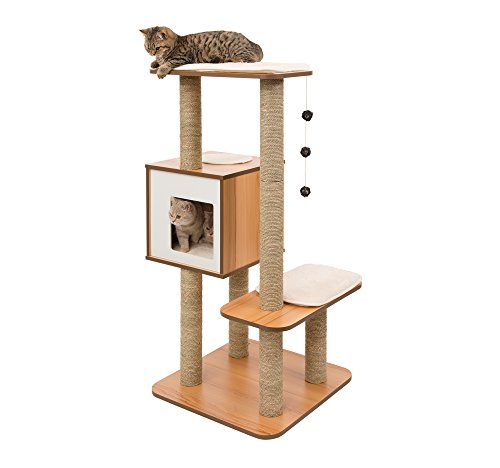
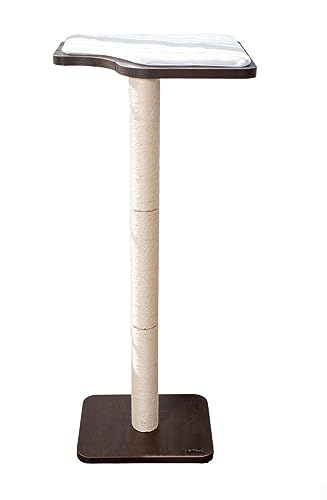
The best cat tree for messy cats is the Frisco 72-Inch Cat Tree with Condo and Hammock because its plush, washable covers and sisal rope surfaces make cleanup simple. For smaller spaces, the Vesper V-High Base Cat Tree offers a sleek, easy-wipe design. If you need extra durability, the Go Pet Club 67-Inch Cat Tree provides heavy-duty scratching posts that withstand vigorous use.
What to consider for Cat Tree For Messy Cats
Messy cats often track litter, shed fur, or knock over bowls. Look for cat trees with removable, machine-washable covers or easy-to-wipe surfaces like wood or PVC. Durable sisal rope posts resist fraying and help contain scratching debris. A wide, stable base prevents tipping when cats jump. Consider trees with built-in litter box enclosures or trays to catch scattered litter. Also, choose darker colors or patterns that hide stains between cleanings.
What to look for in a cat tree for messy cats
Strong construction with a solid base is essential to handle active cats. Removable, washable fabric components simplify maintenance. Low-dust materials like compressed wood or high-density foam reduce airborne particles. Multi-level designs with ramps or wide platforms help contain fur and litter. For multiple cats, ensure enough perches to reduce conflict. Unscented options are best for sensitive cats; avoid trees with strong chemical odors from adhesives.
How we chose these picks
- Evaluated material quality: focus on washable covers, sisal, and easy-clean surfaces.
- Checked stability: wide base and sturdy construction to prevent tipping.
- Assessed design features: litter-catching trays, enclosed condos, and stain-resistant colors.
- Considered customer feedback on durability and ease of cleaning.
- Compared price versus value for long-term use.
- Ensured products are widely available and currently sold.
- Never ranked a product higher just because it pays a commission.
What to avoid
- Cat trees with non-removable, heavily textured fabrics that trap fur and odors.
- Flimsy bases that wobble when cats jump.
- Excessive use of carpet material that sheds fibers and collects litter.
- Small perches that don’t accommodate larger cats comfortably.
For more guidance, check our cat guides, cat food reviews, and cat care products.