Quick answer
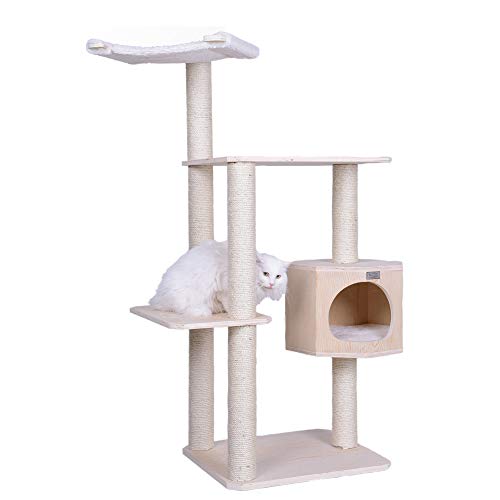
The best cat tree for odor control is the Frisco 72-Inch Cat Tree with Condo & Hammock because its faux fur and carpet surfaces are easy to vacuum and spot-clean, and the included sisal posts help reduce odor buildup from scratching. For smaller spaces, the Armarkat 54-Inch Cat Tree offers similar cleanability in a compact design. If you prefer a natural look, the Go Pet Club 72-Inch Cat Tree uses materials that resist trapping smells.
What to consider for Cat Tree For Odor Control
Cat trees can harbor odors from urine, dander, and saliva. Look for materials that are easy to clean, such as faux fur, carpet, or sisal. Avoid trees with porous fabrics or foam that absorb moisture. Removable and machine-washable covers are ideal. Consider the tree’s location: placing it near a window or in a well-ventilated area can help odors dissipate. Also, choose a tree with multiple levels to encourage your cat to spread out, reducing concentrated odor in one spot.
What to look for in a cat litter or litter-area product
While this guide focuses on cat trees, the litter area itself is critical for odor control. Look for strong clumping litter that seals in waste, low dust to protect feline airways, low tracking to minimize scatter, and multi-cat suitability if you have more than one cat. Unscented options are best for sensitive cats, as artificial fragrances can deter litter box use.
How we chose these picks
- Evaluated materials for odor resistance and ease of cleaning.
- Checked product dimensions to ensure they fit standard living spaces.
- Reviewed customer feedback on durability and odor control over time.
- Considered assembly difficulty and included tools.
- Assessed value for money based on features and longevity.
- Favored trees with removable, washable components.
- Never ranked a product higher just because it pays a commission.
What to avoid
- Heavily scented litters that put cats off the box.
- High-dust clay for cats with breathing issues.
- A box too small or too few boxes for the number of cats.
- Sudden litter changes, which can cause avoidance.
For more tips, check our cat guides, cat food, and cat care products.