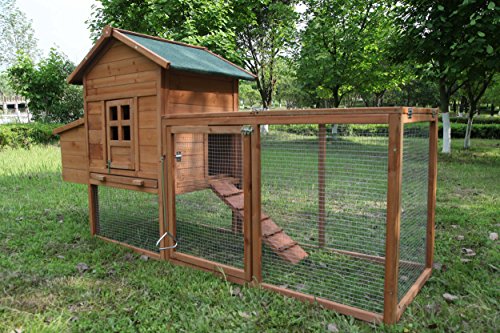
The best chicken coop is one that gives each bird at least 3 to 4 square feet of dry, predator-proof space with easy-clean nesting boxes and solid ventilation. For most backyard flocks, a weatherproof wooden coop with an attached run, removable trays, and secure latches offers the best balance of safety, comfort, and daily convenience.
A chicken coop is far more than a box to keep birds at night. As a veterinarian, I see how directly housing affects flock health: poor ventilation drives ammonia buildup and respiratory disease, cramped floor space triggers feather pecking and stress, and weak latches invite the single most common cause of backyard flock loss, predators. The right coop quietly prevents most of the problems owners later pay to fix.
When choosing a coop, match the size to your flock plus room to grow, then prioritize predator-proof hardware, weather protection, and ease of cleaning. Look for solid wood with a weatherproof finish, generous cross-ventilation near the roofline, external nesting boxes for easy egg collection, and pull-out trays that make weekly cleaning a five-minute job. A coop you can service quickly is a coop you will actually keep clean.
Why this matters Most owners worry about cold, but the real winter threat is moisture, not temperature. Chickens tolerate freezing air remarkably well when dry, yet humidity from droppings and respiration condenses inside a sealed coop and causes frostbite on combs and wattles. That is why a properly ventilated coop is actually warmer and safer than a tightly closed one.
Pro tip Buy one size larger than you think you need and upgrade the included latches to spring-loaded or carabiner locks. The small upfront cost prevents the most expensive outcome of all, a single predator break-in that wipes out your flock overnight.