Quick answer
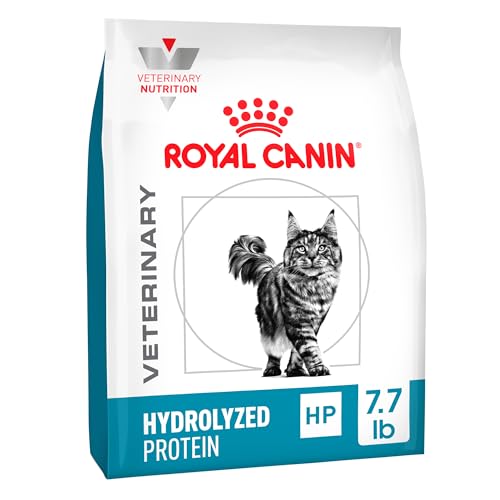
Our top pick is Hill’s Science Diet Sensitive Stomach & Skin Chicken-Free because it uses salmon as a single animal protein, is fortified with prebiotic fiber, and is backed by Hill’s nutritionists. For cats with severe allergies, Royal Canin Hydrolyzed Protein offers a veterinary-exclusive option. Budget-conscious owners should consider Purina Pro Plan Sensitive Skin & Stomach Salmon & Rice.
What to consider for Chicken Free Cat Food For Cats With Allergies
When choosing a chicken-free cat food for allergies, the primary concern is avoiding chicken and chicken by-products while ensuring the diet is nutritionally complete. Many cats with allergies also react to other common proteins like beef or fish, so a novel protein (e.g., rabbit, duck, or venison) or hydrolyzed protein diet may be necessary. Look for a food labeled for adult maintenance or all life stages with an AAFCO statement. Wet food can be beneficial for hydration and urinary health, but dry food may be more convenient. Always transition slowly over 7 to 10 days to avoid digestive upset.
What to look for in a cat food
First, verify the food has an AAFCO statement of nutritional adequacy for your cat’s life stage (kitten, adult, senior). The first ingredient should be a named meat or meat meal (e.g., salmon meal, duck meal). Cats require high animal protein and taurine, an essential amino acid; check that taurine is added. For wet food, moisture content around 78% supports urinary health. If your cat has a specific condition like kidney disease or obesity, choose a food formulated for that condition. Avoid foods with artificial colors, flavors, or preservatives.
How we chose these picks
- We evaluated products based on ingredient quality, AAFCO compliance, and suitability for cats with allergies.
- We prioritized foods with a single novel protein source or hydrolyzed protein to minimize allergic reactions.
- We considered customer reviews and brand reputation for consistency and safety.
- We checked for absence of chicken, chicken by-products, and common allergens like corn, wheat, and soy.
- We included options across price points and formats (dry, wet, prescription).
- We ensured each product is widely available on Amazon for easy purchase.
- Never ranked a product higher just because it pays a commission.
What to avoid
- Avoid foods without a named meat source (e.g., “meat meal” or “poultry meal”) as they may contain chicken.
- Steer clear of diets with insufficient animal protein (below 30% for dry food) or missing taurine.
- Do not default to all-life-stages food for a senior or kitten without checking if it meets their specific needs.
- Avoid abrupt diet switches; always transition over 7 to 10 days to prevent gastrointestinal upset.
For more resources, visit our cat guides, cat food, and cat health sections.