Quick answer
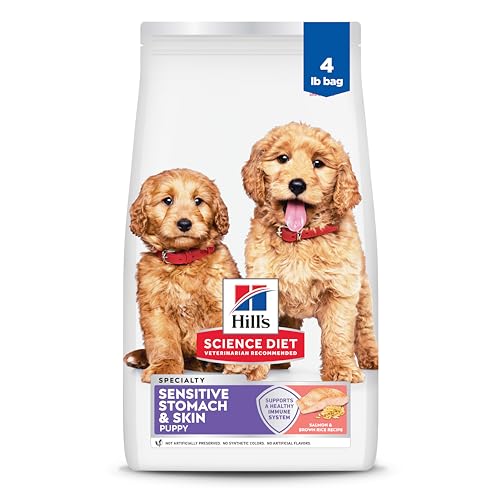
The best chicken-free dog food for beach trips is Purina Pro Plan Sensitive Skin and Stomach Salmon and Rice Formula. It’s easy to digest, packed with omega fatty acids for skin and coat health, and comes in a convenient kibble that won’t spoil quickly in warm weather. For a budget-friendly option, consider Diamond Naturals Lamb and Rice; for a grain-inclusive choice, look at Hill’s Science Diet Sensitive Stomach and Skin Salmon and Rice.
What to consider for Chicken Free Dog Food For Beach Trips
Beach trips mean more exercise, sun exposure, and potential ingestion of sand or saltwater. A chicken-free diet is often chosen for dogs with food sensitivities or allergies. When selecting a food for beach outings, prioritize formulas with high-quality protein from fish or lamb, moderate fat for sustained energy, and added omega-3 and omega-6 fatty acids to support skin health against sun and salt. The kibble should be sturdy enough to handle being packed in a bag without crumbling, and it should not require refrigeration. Avoid recipes with excessive fillers that could cause digestive upset if your dog eats sand or drinks seawater.
What to look for in a dog food
Look for a statement from AAFCO confirming the food is complete and balanced for your dog’s life stage. The first ingredient should be a named meat (e.g., salmon, lamb, or turkey). Protein content should be between 22 and 32 percent, fat between 12 and 18 percent, and calories around 350 to 450 kcal per cup for active dogs. For large breeds, ensure calcium and phosphorus levels support bone health. Omega-3 fatty acids from fish oil or flaxseed help reduce inflammation and maintain a healthy coat, which is beneficial for beach exposure. Glucosamine and chondroitin can support joint health during active play.
How we chose these picks
- Evaluated ingredients for named protein sources and absence of chicken
- Checked for AAFCO nutritional adequacy statements
- Considered digestibility and fiber content for sensitive stomachs
- Looked for omega fatty acids to support skin and coat in sunny, salty conditions
- Reviewed calorie density to match active beach lifestyle
- Ensured kibble size and shape are practical for travel and outdoor feeding
- Compared price per pound to offer options for different budgets
- Never ranked a product higher just because it pays a commission
What to avoid
- Unnamed meat meal (e.g., “meat meal” or “poultry meal”) as the only protein source
- Grain-free or legume-heavy recipes unless specifically recommended by your veterinarian, due to the ongoing FDA investigation into a potential link with canine dilated cardiomyopathy (DCM)
- All-life-stages food for large-breed puppies, as it may not have the correct calcium-to-phosphorus ratio
- Abrupt diet switches; always transition over 7 to 10 days by mixing old and new food
For more guidance, check out our dog guides, dog food, and dog nutrition pages.