Quick answer
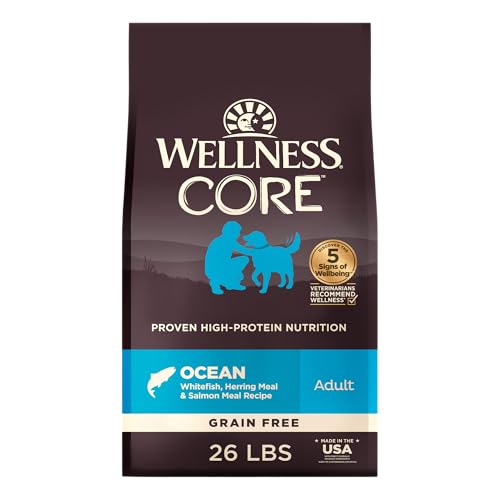
Our top pick for chicken free dog food for coat health is Purina Pro Plan Sensitive Skin & Stomach Salmon & Rice Formula. It combines salmon as a novel protein with omega-6 fatty acids and vitamin E to support skin and coat health. If your dog needs a grain-free option, Wellness CORE Grain-Free Salmon & Whitefish is an excellent alternative, though it is pricier.
What to consider for Chicken Free Dog Food For Coat Health
A glossy coat starts with proper nutrition. Dogs with chicken allergies or sensitivities often develop dry, flaky skin or dull fur. Chicken-free diets eliminate the most common allergen while emphasizing omega-3 and omega-6 fatty acids from fish oils, flaxseed, or other sources. These fatty acids are essential for maintaining a healthy skin barrier and promoting a shiny coat. Additionally, adequate protein (at least 22% dry matter for adult dogs) supports hair follicle strength. When choosing a chicken-free food for coat health, look for named fish or meat proteins (like salmon, lamb, or venison) as the first ingredient, and ensure the recipe includes a source of linoleic acid and EPA/DHA. Avoid foods with unnamed “meat meal” as the primary protein, as quality can vary.
What to look for in a dog food
Look for an AAFCO statement indicating the food is complete and balanced for your dog’s life stage (adult maintenance, growth, or all life stages). The first ingredient should be a named protein source (e.g., salmon, deboned beef, lamb) rather than a vague “meat meal.” Protein content should be 22 to 32% for active adult dogs, with fat between 12 to 18% to provide energy and support skin health. Omega-6 to omega-3 fatty acid ratio should ideally be between 5:1 and 10:1 for coat condition. For large breed dogs, ensure calcium and phosphorus levels are appropriate (around 1.0% calcium for large breed adults) to maintain bone health. For small breeds, kibble size matters for ease of chewing. Omega-3 sources like fish oil or flaxseed are particularly beneficial for coat shine.
How we chose these picks
- Selected only chicken-free formulas with a named meat or fish as the first ingredient.
- Verified that each product meets AAFCO nutritional profiles for the intended life stage.
- Evaluated omega fatty acid content, prioritizing foods with added fish oil, flaxseed, or other sources of EPA/DHA.
- Considered ingredient quality and absence of artificial colors, flavors, or preservatives.
- Checked for inclusion of other coat-supporting nutrients like vitamin E, biotin, and zinc.
- Read current customer reviews for palatability and reported coat improvements.
- Compared price per pound to ensure a range of budget-friendly to premium options.
- Never ranked a product higher just because it pays a commission.
What to avoid
- Avoid unnamed “meat meal” as the sole protein source – it can be from any animal and may contain chicken by-products.
- Do not default to grain-free or legume-heavy recipes unless advised by a veterinarian; the FDA continues to investigate a potential link between grain-free diets and canine dilated cardiomyopathy (DCM). Grain-inclusive formulas are generally safer.
- Avoid all-life-stages food for large-breed puppies, as it may have improper calcium-to-phosphorus ratios for controlled growth.
- Do not switch foods abruptly – transition over 7 to 10 days by gradually mixing old and new food to prevent digestive upset.
For more guidance, visit our dog guides and explore dog food resources or dog health tips.