Quick answer
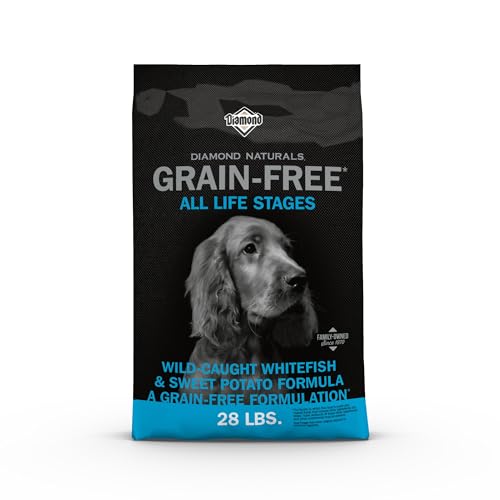
Our top pick is Purina Pro Plan Sensitive Skin & Stomach Salmon & Rice Formula. It offers easily digestible protein and moderate fat to reduce metabolic heat. For a budget-friendly option, Diamond Naturals Whitefish & Sweet Potato provides balanced nutrition. If your dog needs joint support, Hill’s Science Diet Adult Large Breed Chicken & Barley (chicken-free variant) is excellent.
What to consider for Chicken Free Dog Food For Dogs That Overheat
Dogs that overheat may benefit from a diet that is lower in protein and fat to reduce metabolic heat production. Chicken is a common allergen that can cause inflammation and worsen heat intolerance. Choosing a chicken-free formula with novel proteins like salmon, whitefish, or lamb can help. Also, consider moisture content: wet food can aid hydration and cooling. Always consult your vet before making dietary changes.
What to look for in a dog food
Look for an AAFCO complete and balanced statement for your dog’s life stage. The first ingredient should be a named meat or fish (e.g., salmon, whitefish). Protein should be moderate (20 to 30% dry matter) and fat moderate (10 to 18%) to avoid excess heat. For large breeds, ensure appropriate calcium and phosphorus levels. Omega-3 fatty acids from fish oil support skin and joint health. Avoid excessive carbohydrates and fillers.
How we chose these picks
- We evaluated ingredients, focusing on chicken-free recipes with novel proteins.
- We checked for AAFCO nutritional adequacy statements.
- We considered protein and fat levels suitable for heat-sensitive dogs.
- We reviewed brand reputation and recall history.
- We prioritized formulas with added omega-3s and joint support.
- We looked for grain-inclusive options to avoid potential DCM risks.
- We compared price per pound to offer options for different budgets.
- Never ranked a product higher just because it pays a commission.
What to avoid
- Avoid unnamed “meat meal” as the primary protein source; choose named meals like “salmon meal”.
- Do not default to grain-free or legume-heavy diets without veterinary guidance due to the FDA DCM investigation.
- Avoid all-life-stages food for large-breed puppies; use a large-breed puppy formula.
- Do not switch foods abruptly; transition over 7 to 10 days to avoid digestive upset.
Explore more guides: dog guides, dog food, dog health.