Quick answer
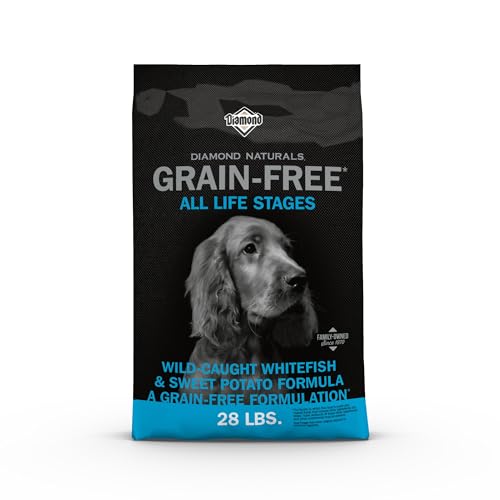
Our top pick is Purina Pro Plan Sensitive Skin & Stomach Salmon & Rice Formula. It combines a single animal protein source (salmon) with highly digestible rice and oatmeal, making it both gentle on the stomach and appealing to picky eaters. For a budget-friendly alternative, consider Diamond Naturals Whitefish & Sweet Potato. If you need a grain-free option, Wellness CORE Grain-Free Whitefish & Sweet Potato is excellent, but always consult your vet before choosing grain-free.
What to consider for Chicken Free Dog Food For Picky Eaters
Picky eaters often reject foods due to texture, smell, or flavor fatigue. Chicken is a common allergen and many dogs develop an aversion to it. When selecting a chicken-free food, look for novel proteins like salmon, whitefish, lamb, or venison that provide strong aroma and taste. The kibble size and shape can also affect palatability; smaller, crunchy pieces may be more enticing. Additionally, avoid artificial flavors and preservatives that can deter sensitive dogs.
What to look for in a dog food
First, ensure the food is AAFCO complete and balanced for your dog’s life stage (puppy, adult, or senior). Look for a named meat or fish as the first ingredient (e.g., salmon, whitefish). Protein content should be around 22 to 32% for adults, fat 12 to 18%, and calories 350 to 450 kcal per cup. For large breeds, calcium levels should be moderate (around 1.0 to 1.5%) to support bone health. Omega-3 fatty acids from fish oil or flaxseed support skin and coat health. Joint support from glucosamine and chondroitin is beneficial for senior or active dogs.
How we chose these picks
- Evaluated ingredient lists for named protein sources and absence of chicken or chicken by-products.
- Checked that each recipe meets AAFCO nutrient profiles for the intended life stage.
- Considered palatability based on customer reviews and brand reputation for picky eaters.
- Prioritized formulas with limited ingredients to minimize allergy triggers.
- Compared price per pound to ensure value across different budgets.
- Reviewed manufacturing quality standards (e.g., brands following WSAVA guidelines).
- Never ranked a product higher just because it pays a commission.
What to avoid
- Unnamed “meat meal” as the primary protein source; always look for a named species (e.g., “salmon meal”).
- Defaulting to grain-free or legume-heavy recipes without veterinary guidance, as the FDA continues to investigate a potential link to canine dilated cardiomyopathy (DCM).
- All-life-stages food for large-breed puppies, which may have inappropriate calcium and phosphorus levels.
- Abrupt diet switches; transition over 7 to 10 days by gradually mixing old and new food.
For more guides, visit our dog guides, dog food, and dog nutrition sections.