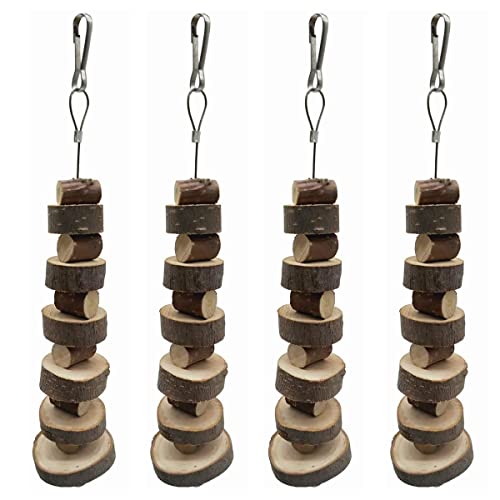
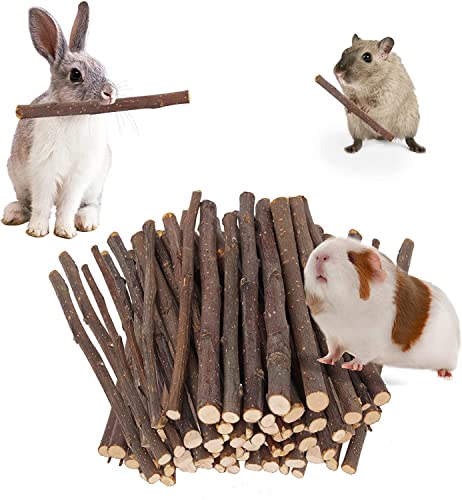
Chinchillas have open-rooted teeth that grow continuously throughout their lives, roughly two to three inches per year. Without constant, abrasive chewing, those teeth overgrow and form painful enamel spurs and malocclusion, one of the most common reasons I see chinchillas in the exam room. A good chew toy is not an accessory; it is preventive dental care that owners control daily.
When choosing chew toys, look for untreated, pesticide-free hardwoods such as apple, willow, or pear, which are non-toxic and safe to ingest in small amounts. Avoid anything dyed, glued, or sourced from stone fruit pits, cedar, or cherry, all of which can be toxic or irritating. The ideal stick is firm enough to demand real gnawing, sized for small jaws, and free of mold or splinters. Variety in texture and shape also keeps chinchillas engaged and prevents boredom-driven fur chewing.