Quick answer
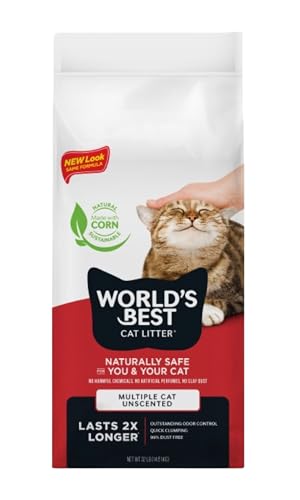
Our top pick is Dr. Elsey’s Precious Cat Ultra Unscented Clumping Clay Litter. It offers superior clumping, low dust, and an unscented formula that won’t deter sensitive cats. For multi-cat homes, Arm & Hammer Clump & Seal Multi-Cat is a strong runner-up. If you prefer a natural option, World’s Best Cat Litter Multiple Cat Unscented is excellent.
What to consider for Clumping Cat Litter For Cats That Chew Cords
Cats that chew cords often have underlying stress or boredom. The litter you choose can impact their litter box habits. A clumping litter that controls odor well and is low-dust helps maintain a clean, inviting box. Unscented formulas are less likely to put off a cat that is already anxious. Additionally, a litter with fine texture may be more comfortable on paws, encouraging consistent use and reducing the chance of accidents near cords.
What to look for in a cat litter or litter-area product
When selecting a clumping litter for a cat that chews cords, prioritize strong clumping to simplify scooping and minimize waste. Odor control is crucial to keep the box fresh and reduce the need for frequent changes. Low dust is important for feline respiratory health, especially if your cat has sensitivities. For multi-cat households, choose a litter that can handle multiple users without losing effectiveness. An unscented option is best to avoid deterring your cat from the box.
How we chose these picks
- Evaluated clumping ability based on product descriptions and customer feedback.
- Assessed odor control claims and ingredient transparency.
- Checked dust levels from manufacturer specifications and reviews.
- Considered suitability for cats with respiratory sensitivities or allergies.
- Included options for single and multi-cat households.
- Prioritized unscented or naturally scented formulas.
- Never ranked a product higher just because it pays a commission.
What to avoid
- Heavily scented litters that can put cats off the box.
- High-dust clay litters for cats with breathing issues.
- A box too small or too few boxes for the number of cats.
- Sudden litter changes; always transition gradually.
For more cat care advice, visit our cat guides, cat food, and cat health sections.