Quick answer
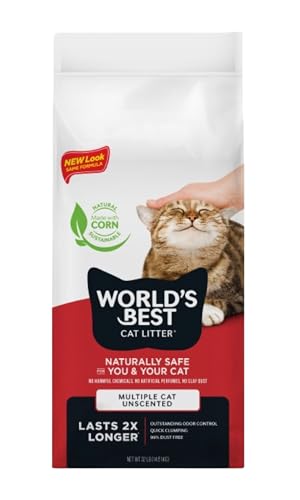
Our top pick is Dr. Elsey’s Precious Cat Ultra Unscented Clumping Clay Litter. It forms hard clumps that trap concentrated urine odors, and its low-dust formula is gentle on sensitive airways. For a natural alternative, World’s Best Cat Litter Multiple Cat Unscented clumps well with less dust. Multi-cat homes may prefer Arm & Hammer Clump & Seal Platinum.
What to consider for Clumping Cat Litter For Cats That Drink Little Water
Cats that drink little water produce urine with higher concentrations of waste products, leading to stronger ammonia odors and potentially more solid crystals that can break apart soft clumps. The litter must form firm, tight clumps that don’t crumble when scooped, and it should neutralize odors effectively without relying on heavy perfumes that might deter a cat with a sensitive nose. Low dust is also important because concentrated urine can irritate the respiratory tract, and dust can exacerbate that. Additionally, the litter should not be so dehydrating (e.g., some silica gels) that it further discourages water intake. Clumping performance, odor control, and dust level are the three pillars for this specific need.
What to look for in a cat litter or litter-area product
Strong clumping ability ensures that urine is fully encapsulated, making scooping easy and preventing ammonia buildup. Odor control should be robust, ideally using activated charcoal or baking soda rather than heavy fragrances. Low dust is crucial for cats with respiratory sensitivities, especially those with concentrated urine that can irritate airways. Low tracking reduces mess outside the box, which is especially helpful in multi-cat homes. For cats that drink little water, unscented or lightly scented options are often best to avoid deterring the cat from using the box. Multi-cat suitability matters if you have more than one cat, as the litter must handle higher volume without breaking down.
How we chose these picks
- Evaluated clumping strength based on published product descriptions and customer feedback on clump hardness.
- Compared odor control mechanisms, preferring litters with proven ammonia neutralizers or natural enzymes.
- Checked dust levels from manufacturer claims and independent reviews, prioritizing low-dust formulas.
- Considered ingredient safety, especially for cats prone to respiratory issues or allergies.
- Assessed value by balancing price per pound with performance and longevity.
- Included a range of litter types (clay, natural plant-based) to suit different preferences.
- Ensured all picks are widely available and have a track record of positive reviews.
- Never ranked a product higher just because it pays a commission.
What to avoid
- Heavily scented litters: strong perfumes can discourage cats from using the box, especially if they already have a sensitive sense of smell due to dehydration.
- High-dust clay litters: dust can irritate the respiratory tract of cats that may already be stressed from concentrated urine.
- Too small a litter box or too few boxes: cats need ample space and at least one box per cat plus one extra to feel comfortable.
- Sudden litter changes: abruptly switching litters can cause litter box aversion; always transition gradually over a week.
For more tips, see our cat guides, cat health, and cat care products.