Quick answer
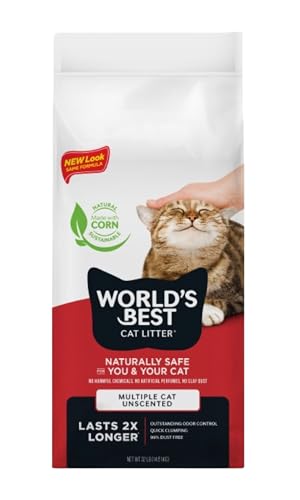
For cats that track litter, our top pick is Dr. Elsey’s Ultra Unscented Clumping Clay Litter. Its large, heavy granules clump tightly and stay put, reducing scatter. If your cat prefers a natural option, World’s Best Cat Litter Multiple Cat Unscented offers strong clumping with less tracking. For budget-conscious owners, Arm & Hammer Clump & Seal Platinum controls odors effectively while keeping mess contained.
What to consider for Clumping Cat Litter For Cats That Track Litter
Tracking occurs when litter particles stick to your cat’s paws and are carried outside the box. Key factors include granule size and weight (larger, heavier granules track less), clumping strength (firm clumps prevent crumbling), and litter depth (2 to 3 inches reduces exposed bottom that can stick to paws). Low-dust formulas also help, as dust can cling to fur. Consider your cat’s preferences: some cats dislike scented litters, which may cause them to dig more vigorously and increase tracking.
What to look for in a cat litter or litter-area product
Look for strong clumping and odor control to keep the box fresh longer. Low dust is important for feline respiratory health. Low-tracking formulas often feature larger or heavier granules. Multi-cat suitability ensures the litter holds up under frequent use. An unscented option is ideal for sensitive cats, as artificial fragrances can deter use and lead to elimination issues.
How we chose these picks
- Evaluated clumping ability based on manufacturer claims and independent reviews.
- Compared granule size and weight to assess tracking potential.
- Checked dust levels using publicly available information and customer feedback.
- Considered odor control technology, including carbon or baking soda additives.
- Factored in multi-cat performance for households with more than one cat.
- Included unscented options for cats with sensitivities.
- Reviewed price per pound to ensure value.
- Never ranked a product higher just because it pays a commission.
What to avoid
- Heavily scented litters that may put cats off the box and cause avoidance.
- High-dust clay litters for cats with breathing issues or allergies.
- A litter box that is too small or too few boxes for the number of cats.
- Sudden litter changes; transition gradually over a week to avoid stress.
For more guidance, see our cat guides, cat food, and cat health resources.