Quick answer
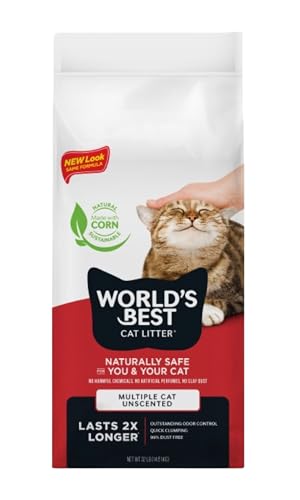
Our top pick is Dr. Elsey’s Precious Cat Ultra Unscented Clay Litter because it combines fine-grain texture with strong clumping and virtually no dust, making it ideal for sensitive paws. For a natural option, World’s Best Cat Litter Multiple Cat Unscented offers a soft corn-based formula that is gentle and eco-friendly. If odor control is your main concern, Arm & Hammer Clump & Seal Platinum delivers outstanding odor locking with a smooth texture.
What to consider for Clumping Cat Litter For Sensitive Paws
Cats with sensitive paws may avoid the litter box if the litter is too coarse, sharp, or dusty. The texture should be fine and soft, similar to sand or fine granules. Dust levels must be minimal to prevent respiratory irritation and paw discomfort. Avoid heavily scented litters, as strong perfumes can deter cats and cause paw pad reactions. Clumping ability should be strong to prevent urine from sticking to paws. Consider litters made from natural materials like corn, wheat, or paper, which are often softer than traditional clay. Multi-cat households need a litter that controls odor without added perfumes. Always transition gradually by mixing old and new litter over a week.
What to look for in a cat litter or litter-area product
When choosing a clumping litter for sensitive paws, prioritize strong clumping and odor control to keep the box fresh and reduce paw contact with waste. Low dust is critical for feline airways and paw health. Low tracking helps keep your home cleaner and reduces litter spread. For multi-cat homes, ensure the litter can handle multiple cats without breaking down. Always opt for an unscented or lightly scented option to avoid overwhelming your cat’s senses. The litter should be made from soft, non-abrasive materials that feel comfortable underfoot.
How we chose these picks
- We evaluated litter texture and softness based on published product descriptions and customer feedback.
- We prioritized litters with low dust claims and verified by customer reviews.
- We considered clumping strength and odor control as key factors for paw sensitivity.
- We included a range of materials: clay, corn, walnut, and paper to suit different preferences.
- We ensured each pick is widely available and has a strong reputation among cat owners.
- We checked for unscented or naturally scented options to avoid irritants.
- Never ranked a product higher just because it pays a commission.
What to avoid
- Heavily scented litters: Strong fragrances can put cats off the box and may irritate sensitive paws.
- High-dust clay litters: Dust can aggravate breathing issues and cause paw pad dryness.
- A box too small or too few boxes: Ensure at least one box per cat plus one extra, with low sides for easy entry.
- Sudden litter changes: Always transition gradually over 7 to 10 days to avoid litter box aversion.
For more tips, visit our cat guides, cat health, and cat care products sections.