Quick answer
The best covered litter box for wet food diets is the PetSafe ScoopFree Self-Cleaning Litter Box, which automatically removes waste to lock in odors. For those preferring a traditional box, the Frisco High Sided Cat Litter Box with Lid offers excellent odor control and privacy at a lower cost. If you have multiple cats, the Litter-Robot 4 provides unmatched automation and capacity.
What to consider for Covered Litter Box For Wet Food Diets
Cats on wet food diets produce softer, more pungent stools due to higher moisture content and protein levels. This increases the need for frequent scooping and superior odor containment. A covered box traps smells inside, but poor ventilation can make it worse. Look for a box with a carbon filter or built-in deodorizer. Also consider size: wet food cats may need a larger box to avoid stepping in waste. Self-cleaning options reduce daily scooping, but require compatible litter (usually clumping).
What to look for in a cat litter or litter-area product
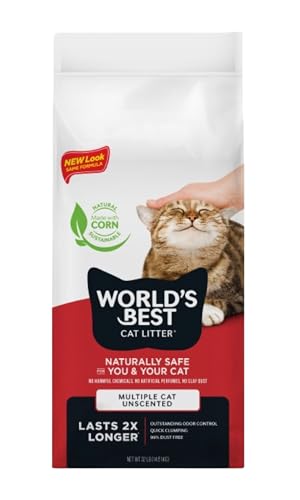
Strong clumping and odor control are critical to manage the stronger smells from wet food diets. Low dust is important for feline respiratory health, especially in covered boxes where dust accumulates. Low tracking helps keep the area clean. Multi-cat suitability matters if you have more than one cat. An unscented option is best for sensitive cats who may avoid heavily perfumed litter.
How we chose these picks
- Evaluated odor control effectiveness for wet food diets based on product specifications and user feedback.
- Assessed ease of cleaning and maintenance, including filter replacement and scooping frequency.
- Considered size and accessibility to ensure cats can comfortably enter and turn around.
- Prioritized low-dust and unscented options to minimize respiratory irritation.
- Included both self-cleaning and traditional covered boxes to suit different budgets.
- Verified compatibility with clumping litter, which is essential for wet food waste.
- Checked for durable construction and easy assembly.
- Never ranked a product higher just because it pays a commission.
What to avoid
- Heavily scented litters that may deter cats from using the box, especially those with sensitive noses.
- High-dust clay litters that can aggravate asthma or allergies in covered boxes with limited airflow.
- A box that is too small or too few boxes for the number of cats, leading to avoidance.
- Sudden litter changes; transition gradually over a week to prevent litter box aversion.
For more guidance, explore our cat guides, cat food, and cat health resources.