Quick answer
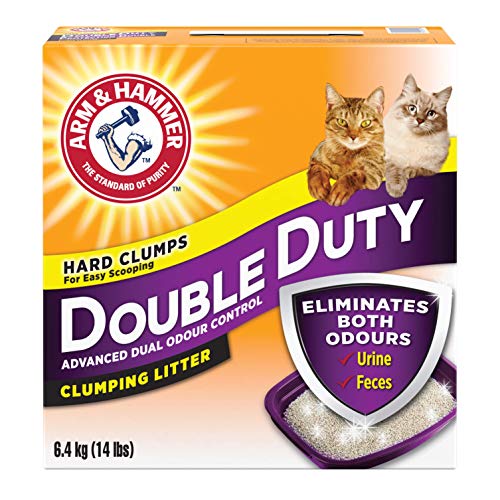
Our top pick is Fresh Step Crystals Premium Scented Cat Litter for its superior moisture absorption and odor control, ideal for wet food diets. It locks away liquid quickly and neutralizes ammonia smells. For a budget-friendly option, consider Arm & Hammer Double Duty Clumping Litter, which clumps well but may produce more dust. If your cat has respiratory sensitivities, choose Dr. Elsey’s Precious Cat Ultra Unscented Clay Litter for its low-dust formula.
What to consider for Crystal Cat Litter For Wet Food Diets
Cats on wet food diets produce stool that is softer and more odorous due to higher moisture content. Crystal litters are excellent because they absorb urine rapidly and dehydrate stool, reducing smell. However, crystals do not clump, so you must scoop solid waste daily and replace the entire box every 1 to 2 weeks. Look for crystals with large surface area for better absorption and low dust to protect feline airways. Unscented options are best for sensitive cats, as strong fragrances may deter them from using the box.
What to look for in a cat litter or litter-area product
Strong clumping and odor control are essential, especially with wet food diets. Low dust is crucial for cats with asthma or respiratory issues. Low tracking helps keep your home clean. For multi-cat households, choose a litter that can handle multiple users without odor buildup. Unscented options are recommended for cats with sensitive noses, as perfumes can cause avoidance.
How we chose these picks
- Evaluated moisture absorption capacity based on published product specifications.
- Compared odor control claims and user reviews for ammonia neutralization.
- Assessed dust levels using manufacturer information and independent reports.
- Considered tracking tendencies by reviewing litter particle size and shape.
- Checked suitability for multi-cat households based on product descriptions.
- Prioritized unscented or naturally scented options for sensitive cats.
- Reviewed price per pound to ensure value for frequent changes.
- Never ranked a product higher just because it pays a commission.
What to avoid
- Heavily scented litters that put cats off the box, leading to inappropriate elimination.
- High-dust clay litters for cats with breathing issues, as they can exacerbate asthma.
- A box too small or too few boxes for the number of cats, which causes stress and avoidance.
- Sudden litter changes; transition gradually over a week to prevent litter box aversion.
For more guidance, visit our cat guides, cat food, and cat care products sections.