Quick answer
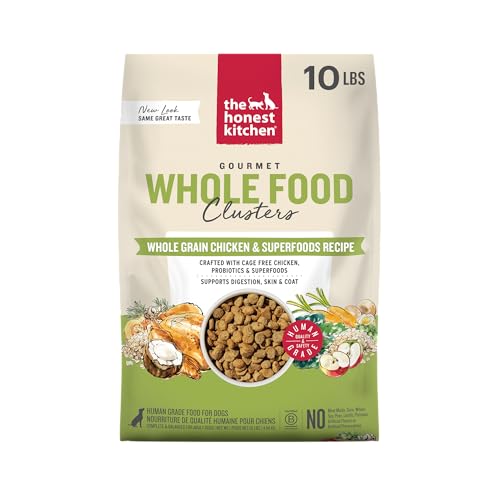
The best dehydrated dog food for dogs with sensitive paws is The Honest Kitchen Dehydrated Grain-Free Chicken Recipe. It features a single animal protein, no artificial additives, and is gently dehydrated to preserve nutrients. For dogs needing grain-inclusive options, consider Stella & Chewy’s or Sojos. Always consult your veterinarian before changing your dog’s diet.
What to consider for Dehydrated Dog Food For Dogs With Sensitive Paws
Dogs with sensitive paws may have underlying allergies or food sensitivities that manifest as paw irritation. Dehydrated dog food offers a minimally processed alternative that often contains limited ingredients, reducing the risk of triggering reactions. When selecting a dehydrated food, look for a single protein source, avoid common allergens like chicken or beef if your dog reacts, and ensure the recipe includes omega-3 fatty acids to support skin and paw health. Rehydration instructions must be followed precisely to ensure proper hydration and nutrient absorption.
What to look for in a dog food
Choose a dehydrated dog food that is AAFCO complete and balanced for your dog’s life stage. The first ingredient should be a named meat, such as chicken, turkey, or fish. Protein levels should be moderate, around 25 to 35 percent on a dry matter basis, with fat between 10 to 20 percent and calories appropriate for your dog’s activity level. For small breeds, smaller kibble size after rehydration is helpful. Look for added omega-3 fatty acids from fish oil or flaxseed to support skin health. Joint support ingredients like glucosamine and chondroitin can benefit dogs with paw issues if they also have arthritis.
How we chose these picks
- Evaluated ingredient quality, focusing on named animal proteins and absence of artificial preservatives.
- Checked AAFCO nutritional adequacy statements for appropriate life stages.
- Assessed protein, fat, and calorie content to ensure balanced nutrition.
- Considered omega-3 fatty acid content for skin and paw health.
- Reviewed customer feedback for palatability and digestive tolerance.
- Prioritized brands with transparent sourcing and manufacturing practices.
- Never ranked a product higher just because it pays a commission.
What to avoid
- Avoid foods with unnamed meat meals as the primary protein source, as they can be lower quality and less digestible.
- Do not default to grain-free or legume-heavy recipes unless advised by your vet, due to the FDA’s ongoing investigation into a potential link with canine dilated cardiomyopathy (DCM).
- Avoid all-life-stages formulas for large-breed puppies, as they may not provide the correct calcium-to-phosphorus ratio.
- Never switch your dog’s food abruptly; transition over 7 to 10 days to avoid digestive upset.
For more guidance, check our dog guides, dog food, and dog health resources.