Quick answer
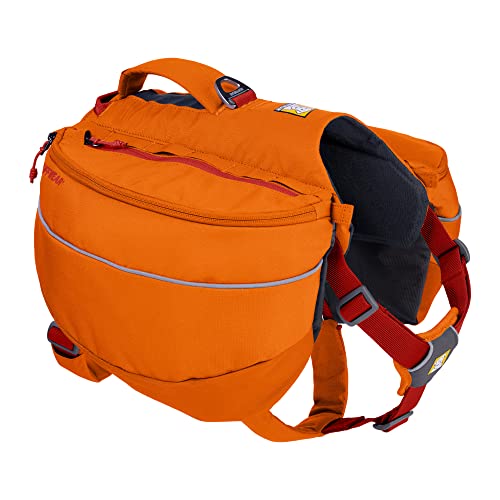
The Ruffwear Approach Pack is our top pick for dogs that chew, with a reinforced, chew-resistant fabric and sturdy buckles that survive determined gnawing. For budget-conscious owners, the OneTigris Dog Backpack offers similar durability at a lower price, though it lacks the same level of padding. If your dog is a heavy chewer, the Kurgo Baxter Backpack provides a K9-friendly design with chew-proof zippers and hardware.
What to consider for Dog Backpack For Dogs That Chew
When selecting a backpack for a dog that chews, prioritize materials that can withstand persistent mouthing. Look for ballistic nylon or Cordura fabric, which resist punctures and tears. Avoid backpacks with exposed zippers, plastic clips, or thin straps that can be easily destroyed. Check that all hardware is metal or heavy-duty plastic and that seams are reinforced. Also consider the backpack’s fit: a snug, secure fit reduces the chance your dog can twist around to chew the pack. Finally, ensure the backpack doesn’t interfere with your dog’s movement or cause chafing, as an uncomfortable dog may be more inclined to chew.
What to look for in a gear item (harness, collar, leash or muzzle)
Correct fit and sizing: Measure your dog’s girth and length according to the manufacturer’s guide. A too-loose backpack can shift and encourage chewing. Durable hardware and materials: Look for metal D-rings, reinforced stitching, and chew-resistant fabric like ballistic nylon. Safety features: Reflective trim for visibility, escape-resistant design (no loose straps that can be grabbed), and no-choke construction. Comfort and padding: Wide, padded straps distribute weight evenly and prevent rubbing. No-pull design: A front clip harness attachment can discourage pulling, but a backpack itself should not be used for correction.
How we chose these picks
- Evaluated chew resistance of materials (ballistic nylon, Cordura, reinforced seams)
- Checked hardware durability (metal vs. plastic buckles, zipper quality)
- Assessed fit and adjustability for various body types
- Considered safety features (reflective elements, escape-proof design)
- Reviewed weight capacity and intended use (hiking, daily walks)
- Compared price versus value for long-term use
- Read verified buyer feedback on chewing and durability
- Never ranked a product higher just because it pays a commission
What to avoid
- Ill-fitting sizes that allow the backpack to slip or rub, increasing chewing risk
- Flimsy plastic clips that can break if chewed or stressed by a strong dog
- Aversive tools like prong collars or shock collars used without professional guidance
- Retractable leashes near traffic, as they can cause injury and are not chew-proof
For more tips, check out our dog guides and dog care products or dog health articles.


