Quick answer
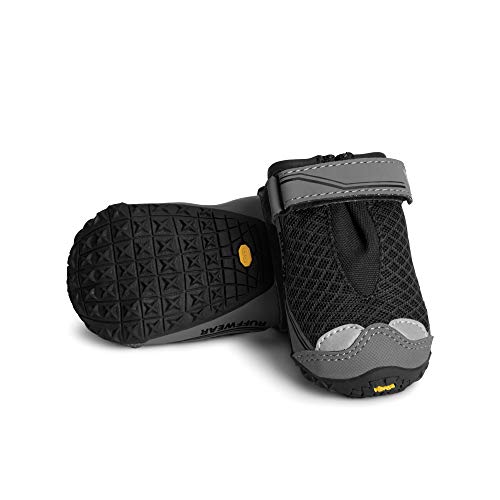
The best dog boots for dogs with neck issues are the Ruffwear Grip Trex due to their easy-on design and secure fit, reducing the need to bend or tug. For a budget-friendly option, the Kurgo Step-N-Stay boots offer a simple step-in style. If your dog needs extra ankle support, the Muttluks Fleece-Lined boots provide warmth and stability.
What to consider for Dog Boots For Dogs With Neck Issues
When your dog has neck issues, every motion matters. Boots that are difficult to put on or adjust can cause you to bend awkwardly or pull on the leash, aggravating your dog’s neck. Look for boots with wide openings, quick-release straps, and non-slip soles. Also consider the boot’s weight; heavy boots can tire your dog and lead to more pulling. Finally, ensure the boots stay on without needing tight straps that could restrict circulation.
What to look for in a gear item (harness, collar, leash or muzzle)
For dogs with neck issues, a harness is generally recommended over a collar to avoid pressure on the neck. Look for a harness with a front clip to discourage pulling, padded chest plate for comfort, and easy on/off design. Durable hardware like metal D-rings and sturdy clips are essential. Reflective stitching improves visibility. A no-pull design with a martingale loop can help guide your dog without choking.
How we chose these picks
- Evaluated ease of putting on and taking off boots to minimize bending and pulling.
- Assessed boot security to prevent slipping, which could cause sudden leash tugs.
- Checked for non-slip soles to provide traction on various surfaces.
- Considered boot weight and flexibility to reduce fatigue.
- Reviewed materials for durability and ease of cleaning.
- Looked for features like reflective elements for safety.
- Compared price points to offer options for different budgets.
- Never ranked a product higher just because it pays a commission.
What to avoid
- Avoid ill-fitting boots that are too tight or too loose; they can cause discomfort or fall off.
- Steer clear of boots with flimsy straps or buckles that may break during use.
- Do not use aversive training tools like prong collars without professional guidance.
- Avoid retractable leashes near traffic as they can cause sudden jerks.
For more advice, check out our dog guides and dog health or dog care products sections.