Quick answer
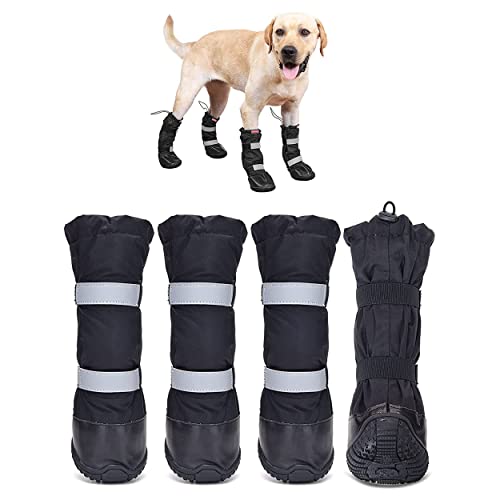
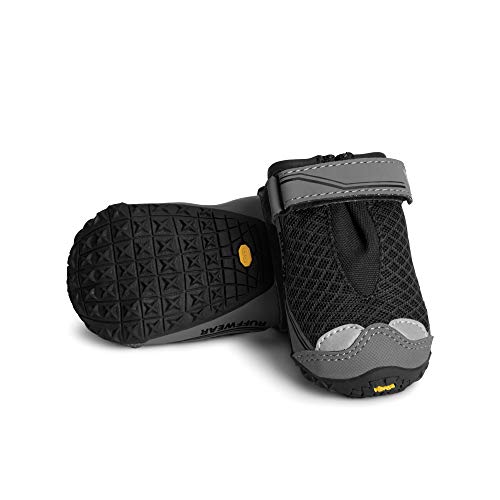
The Ruffwear Grip Trex stands out as the best dog boot for swimming thanks to its Vibram outsole for traction on wet surfaces and a secure closure system. For dogs that need extra ankle support, the Kurgo Step-N-Strobe offers reflective visibility and a snug fit. The Muttluks Fleece Lined boots are a budget-friendly option for calm water use.
What to consider for Dog Boots For Swimming
When choosing boots for swimming, prioritize drainage and quick-drying materials to prevent waterlogging. Look for non-slip soles to avoid slips on wet docks or rocks. The fit should be snug enough to stay on during paddling but not so tight that it restricts circulation. Consider the boot’s height: taller boots protect against debris, while shorter ones allow more freedom of movement. Also, check for reflective elements for visibility near water at dusk.
What to look for in a dog boot
Correct fit and sizing are crucial: measure your dog’s paw width and length, and follow the manufacturer’s size chart. Durable hardware and materials like reinforced stitching and abrasion-resistant fabric ensure longevity. Safety features include escape-resistant straps, no-choke fasteners, and reflective trim for low-light visibility. Comfort and padding, such as a neoprene lining, reduce chafing. A no-pull design (like a non-slip sole) helps maintain traction on slippery surfaces.
How we chose these picks
- Evaluated drainage efficiency and drying time based on material composition.
- Assessed sole traction using established rubber grip standards (e.g., Vibram).
- Checked for secure closure systems like hook-and-loop straps with locking tabs.
- Reviewed sizing accuracy by comparing listed dimensions to standard paw measurements.
- Considered user feedback on durability after repeated water exposure.
- Prioritized boots with reflective elements for safety.
- Never ranked a product higher just because it pays a commission.
What to avoid
- Ill-fitting sizes: boots that are too loose can slip off in water; too tight can cause discomfort.
- Flimsy clips or weak stitching that may fail on active dogs.
- Aversive tools like spike collars should never be used without professional guidance.
- Retractable leashes near water or traffic; use a standard 6-foot leash instead.
For more tips, explore our dog guides, dog care products, and dog health resources.