Quick answer
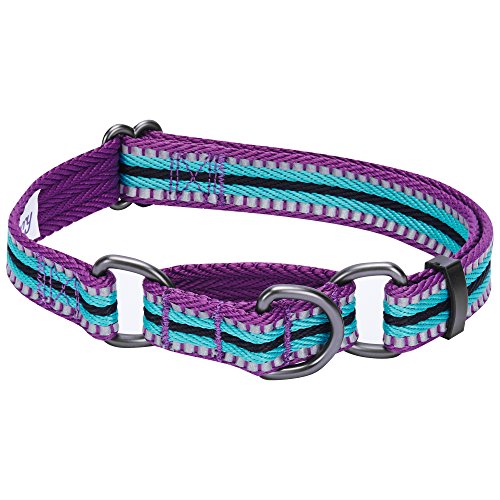
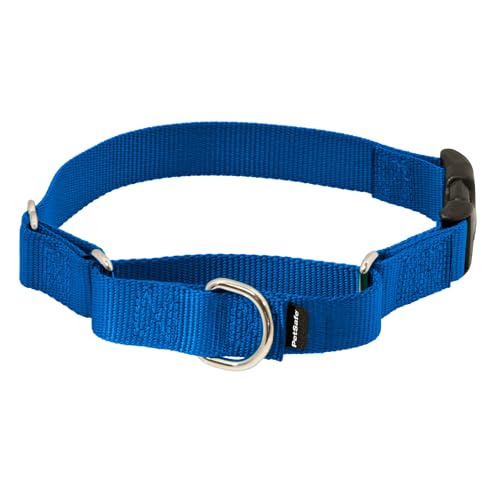
Our top pick is the Ruffwear Front Range Collar for its durable build, reflective trim, and secure buckle. It balances comfort and safety for most hiking dogs. If you need a budget-friendly option with strong hardware, the Rabbitgoo Tactical Collar is a solid runner-up. For dogs that pull, consider a martingale-style collar like the Blue-9 Multi-Sport.
What to consider for Dog Collar For Hiking
When choosing a collar for hiking, prioritize durability and safety. Look for materials like nylon or biothane that resist water and abrasion. A quick-release buckle adds safety in case the collar snags on branches. Reflective stitching or a light-attachment point enhances visibility in low light. Ensure the collar is the correct width for your dog’s neck size; wider collars distribute pressure better for strong pullers. Avoid collars with metal hardware that can rust, and consider a breakaway design if your dog might get caught on obstacles.
What to look for in a gear item (harness, collar, leash or muzzle)
For a hiking collar, correct fit and sizing are essential. Measure your dog’s neck circumference and add two fingers of space. Durable hardware, such as anodized aluminum or stainless steel buckles and D-rings, resists corrosion. Safety features include reflective elements for visibility and a quick-release buckle to prevent choking if snagged. Comfort padding is beneficial for long hikes, but avoid overly thick collars that can trap heat. A no-pull design is not typical for collars; for pulling issues, consider a front-clip harness instead.
How we chose these picks
- Evaluated material durability and resistance to water, mud, and abrasion.
- Checked hardware quality: buckles, D-rings, and stitching.
- Considered safety features like reflective trim and breakaway options.
- Reviewed customer feedback on fit, comfort, and longevity.
- Compared price to value, ensuring options across budgets.
- Focused on collars specifically marketed or recommended for hiking and outdoor use.
- Never ranked a product higher just because it pays a commission.
What to avoid
- Avoid ill-fitting sizes that are too loose (risk of slipping off) or too tight (discomfort or choking).
- Steer clear of flimsy plastic clips that can break under stress from a strong dog.
- Do not use aversive tools like prong or choke collars without professional guidance; they can cause injury.
- Retractable leashes are not recommended near traffic or on trails; use a standard 6-foot leash.
For more tips, check out our dog guides, dog food, and dog health resources.