Quick answer
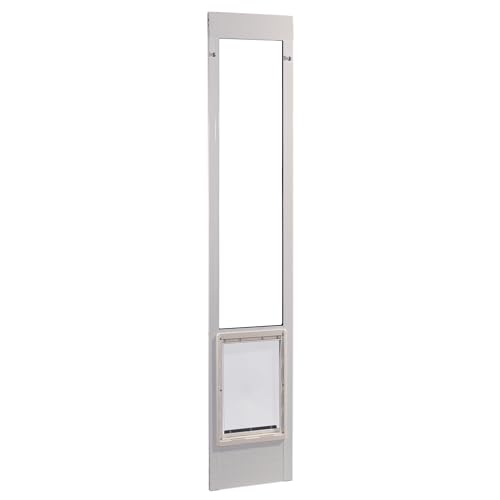
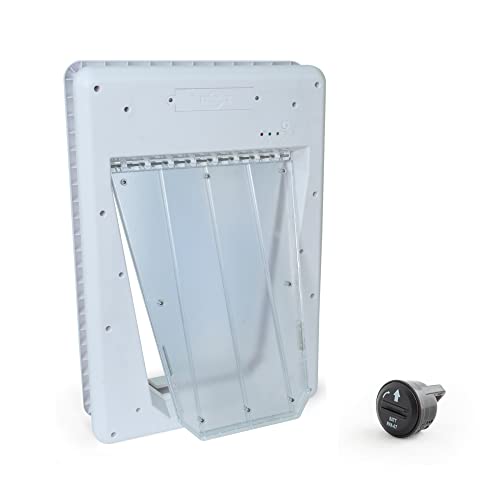
The PetSafe Freedom Aluminum Pet Door is our top pick for dogs after surgery because its low threshold and wide flap reduce the need to push or jump. For heavier dogs, the Ideal Pet Products Sliding Glass Pet Door offers a large opening with minimal effort. If you need a temporary solution, the PetSafe Pet Door for Sliding Glass Doors is easy to install and remove.
What to consider for Dog Door For Dogs After Surgery
After surgery, dogs often have limited mobility, pain, or restrictions on jumping, twisting, or squeezing through tight spaces. The ideal dog door should have a low threshold (less than 2 inches) so your dog can step through without lifting legs high. A wide flap that opens easily with light pressure is crucial. Consider electronic doors that unlock via collar sensor to prevent other animals from entering and causing stress. Also, ensure the door is large enough for your dog’s size but not so large that it encourages escape attempts.
What to look for in a cleaning or lawn product (urine, stain, odour or lawn-repair)
While this guide focuses on dog doors, post-surgery dogs may have accidents indoors. For cleaning, choose enzymatic cleaners that break down urine proteins and eliminate odour, not just mask it. Look for pet-safe labels once dry, and avoid ammonia-based products that can attract dogs back to the spot. For lawn repair, use products specifically formulated for pet urine damage, such as those containing beneficial bacteria or enzymes that neutralize nitrogen.
How we chose these picks
- Evaluated threshold height and ease of opening for dogs with limited mobility.
- Considered flap material and flexibility to minimize resistance.
- Checked for electronic options that allow selective entry to reduce stress.
- Assessed installation difficulty and compatibility with common door types.
- Reviewed safety features like locking mechanisms and weather sealing.
- Read customer feedback from owners of post-surgery dogs.
- Compared price and warranty coverage.
- Never ranked a product higher just because it pays a commission.
What to avoid
- Dog doors with high thresholds that require lifting legs.
- Flaps that are stiff or heavy, making them hard to push open.
- Manual doors that allow other animals to enter and cause stress.
- Doors that require complex installation or modifications that could delay use.
- Products with poor insulation that could create drafts near a recovering pet.
For more advice, explore our dog guides, dog health, and dog care products.