Quick answer
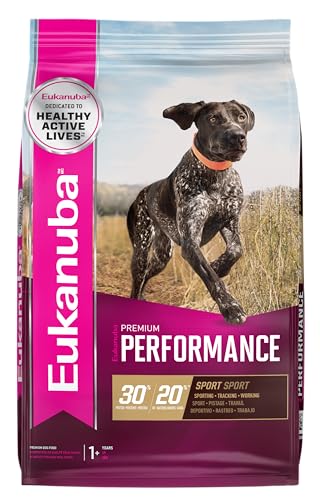
For most adult Belgian Malinois, our top overall pick is Purina Pro Plan Sport Performance 30/20 Chicken & Rice Formula, because its 30 percent protein and 20 percent fat target the sustained energy a high-drive working dog uses on long days, and it carries an AAFCO complete and balanced statement with named chicken as the first ingredient. If your dog has a touchy gut, Hill’s Science Diet Adult Sensitive Stomach & Skin is a gentler choice. On a tighter budget, Diamond Naturals Adult Chicken & Rice delivers a named-meat recipe for less. For a growing Malinois puppy, choose Royal Canin Large Breed Puppy, and for owners who specifically want a grain-inclusive everyday diet, Eukanuba Adult Active Maturity fits well.
What to consider for Dog Food For Belgian Malinois
The Belgian Malinois is a lean, muscular herding and protection breed bred for stamina, not bulk. Adults typically weigh roughly 40 to 80 pounds and stay athletic well into their senior years. Because many Malinois work, train in protection sports, or simply demand hours of daily exercise, their calorie and protein needs often run higher than those of a comparably sized couch dog. That said, energy needs vary enormously: a retired or lightly exercised Malinois can gain weight on a performance formula, so portion to your individual dog rather than to the breed.
This breed also tends toward a sensitive digestive system and can be prone to food-related stomach upset, so consistency and a clean ingredient panel matter. As a medium-to-large athletic breed, joint health is worth supporting through adulthood, since hip and elbow issues appear in some lines. We are describing general patterns, not your specific dog. For any digestive, weight, or orthopedic concern, talk with your veterinarian before changing the diet.
What to look for in a dog food
Start with the AAFCO complete and balanced statement for the correct life stage. For an adult Malinois you want a food labeled for “adult maintenance”; for a puppy you want “growth” or “all life stages including growth of large size dogs.” A named meat as the first ingredient (chicken, beef, lamb, salmon) signals a defined protein source rather than a vague blend.
For practical macro ranges, many active adult Malinois do well on roughly 26 to 32 percent protein and 14 to 20 percent fat on a dry-matter basis, with calorie density often around 350 to 480 kcal per cup. These are general guideposts, not medical rules, and the right numbers depend on your dog’s age, workload, and body condition. Because adult Malinois sit at the larger end of medium breeds, large-breed suitability and controlled calcium in puppy formulas both matter. Finally, look for joint and omega support such as glucosamine, chondroitin, EPA and DHA, or omega-3 from fish oil or flaxseed, which may help support healthy joints and a healthy coat. Always confirm any specific dietary need with your veterinarian.
How we chose these picks
- We compared products using publicly available manufacturer information, ingredient panels, and guaranteed analysis figures.
- We required an AAFCO complete and balanced statement appropriate to the stated life stage.
- We prioritized recipes that list a named meat as the first ingredient over generic blends.
- We matched protein, fat, and calorie levels to the activity profile typical of an athletic working breed.
- We checked for joint and omega support relevant to a medium-to-large active dog.
- We cross-checked each brand against publicly posted FDA recall information at the time of writing.
- We favored brands that are widely available and consistently in stock to make long-term feeding practical.
- Never ranked a product higher just because it pays a commission.
What to avoid
- An unnamed “meat meal” or generic “meat by-product” as the only protein source, since it gives no clarity on the actual animal protein your dog is eating.
- Defaulting to grain-free or legume-heavy recipes. The FDA investigation into a potential link between certain diets and canine dilated cardiomyopathy remains ongoing, and grain-inclusive recipes are the safer default unless your veterinarian advises otherwise.
- Feeding an “all life stages” food to a large-breed Malinois puppy, since uncontrolled calcium and calorie density can affect healthy skeletal growth. Choose a large-breed growth formula instead.
- Abrupt diet switches. Transition over 7 to 10 days by gradually mixing in the new food, especially for this breed’s sometimes sensitive stomach.
For more breed and feeding help, browse our dog guides, our dog food roundups, and our dog nutrition articles.