Quick answer
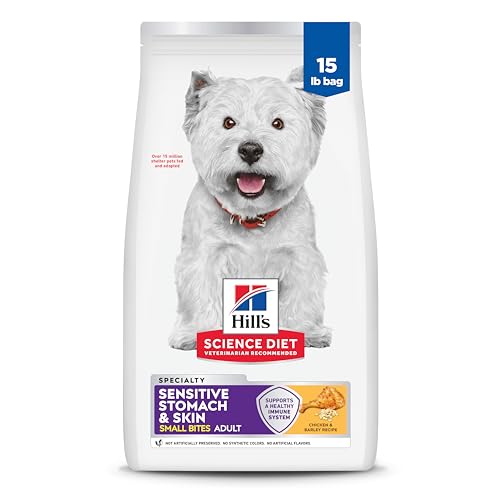
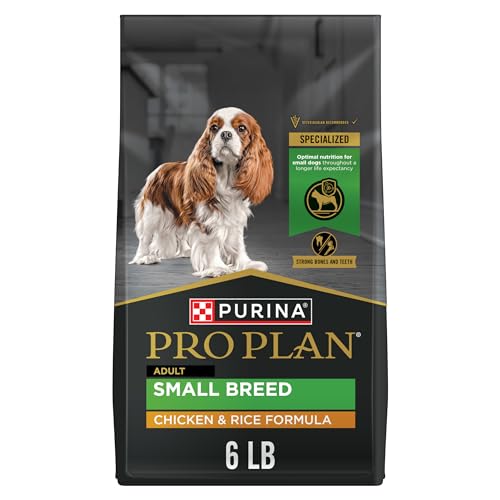
For most Dachshunds, our editorial team rates Royal Canin Dachshund Adult Dry Dog Food as the best overall pick. It is built around this breed’s exact needs, with a wedge-shaped kibble sized for a long, narrow jaw, a controlled calorie level to help protect the back from excess weight, and added support for muscle and skin. If your Dachshund has a touchy stomach, Hill’s Science Diet Small Paws Sensitive Stomach & Skin is a gentler choice. On a tight budget, Diamond Naturals Small Breed Adult delivers solid grain-inclusive nutrition for less. For a Dachshund puppy, Purina Pro Plan Small Breed Puzzle Chicken & Rice is our small-breed growth pick, and for richer protein with limited fillers, consider Wellness Complete Health Small Breed.
Why Dachshunds need the right food
The Dachshund is a small, long-bodied breed, typically 11 to 32 pounds depending on whether it is a miniature or standard. That distinctive long spine is also its biggest vulnerability. Dachshunds are strongly predisposed to intervertebral disc disease (IVDD), and carrying even a little extra weight adds load to the back. Keeping a lean body condition is one of the most useful things an owner can do, which is why calorie control matters more for this breed than for many others.
They are also enthusiastic eaters that gain weight easily, so portion discipline and a sensible calorie density are important. Their small mouths and tendency toward dental tartar mean kibble shape and size matter, a smaller or specially shaped piece is easier to chew and can encourage some mechanical cleaning. Some Dachshunds have sensitive stomachs or skin and coat issues, so a formula with a clear, named protein, omega fatty acids, and good digestibility helps. Energy needs are moderate, they enjoy walks and play but should not be free-fed.
What to look for in a Dachshund food
Start with an AAFCO statement confirming the food is “complete and balanced” for the right life stage, whether adult maintenance or growth. Look for a named animal protein as the first ingredient (chicken, lamb, salmon, beef) and a sensible protein level, roughly 22 to 26 percent for an adult is a reasonable range, though activity and body condition matter more than one fixed number. Favor a controlled calorie density and small or small-breed kibble that suits a little jaw.
For skin and coat, omega-3 and omega-6 fatty acids are helpful. For the back and joints, ingredients like glucosamine and chondroitin or fish-sourced omegas can support comfort, though no food prevents IVDD. If your dog has a sensitive stomach, look for highly digestible ingredients and a single primary protein. We treat grain-inclusive recipes as the safer default for most dogs unless your veterinarian advises otherwise.
Find the right food for your dog’s needs
The picks above suit a healthy adult Dachshund. For a specific life stage or health need, use these focused guides.
- Puppies: see our guide to the best Dachshund food for puppies.
- Seniors: see our guide to the best Dachshund food for senior dogs.
- Sensitive stomachs: see our guide to the best Dachshund food for sensitive stomachs.
- Skin allergies: see our guide to the best Dachshund food for skin allergies.
Which food type is best?
Dry, wet, fresh, raw and dehydrated foods can all work for a Dachshund. The right one depends on your budget, your dog’s preferences and any health needs.
- Dry: most economical and convenient, and the crunch helps clean teeth.
- Wet: higher moisture and often more palatable, useful for fussy eaters or as a topper.
- Fresh and gently cooked: minimally processed with recognisable ingredients, at a higher cost.
- Raw and freeze-dried raw: high protein and minimally processed; handle safely and ask your vet first.
Getting the best value
The cheapest bag is not always the best value. A quality food that keeps your Dachshund lean, with a healthy coat and firm stools, often means fewer vet visits. Feed to a healthy body condition rather than the bag maximum, and choose a recipe built around quality animal protein.
How we chose these foods
- We checked each food against AAFCO “complete and balanced” labeling for the correct life stage.
- We prioritized named animal proteins as the first ingredient over vague “meat” terms.
- We favored small-breed or small-kibble formulas appropriate for a Dachshund’s jaw and chewing.
- We looked at calorie density and portion guidance, since lean body condition helps protect the back.
- We reviewed fat, fiber, and added omega fatty acids for skin, coat, and digestion.
- We checked the FDA’s animal food recall list and the manufacturer’s published recall history.
- We read real owner feedback for recurring complaints such as picky-eater issues or stool changes, and we noted honest trade-offs.
- Never ranked a food higher just because it pays a commission.
Foods to avoid or feed with care
- Calorie-dense “all life stages” foods fed without portion control, since easy weight gain strains a Dachshund’s back.
- Large-breed kibble, the pieces are often too big and harder for a small jaw to chew comfortably.
- Unbalanced homemade or raw diets without veterinary formulation, which can miss key nutrients.
- Grain-free or legume-heavy formulas chosen by default. The FDA has investigated reports of canine DCM in dogs eating certain diets, especially some grain-free or legume-heavy formulas, and is still gathering information; we treat grain-inclusive diets as the safer default unless your vet advises otherwise.
- Frequent rich table scraps and high-fat treats, which add calories fast in a small dog.
For more help choosing, browse our dog food guides, read up on dog nutrition, and check our dog health articles for breed-specific care.