Quick answer
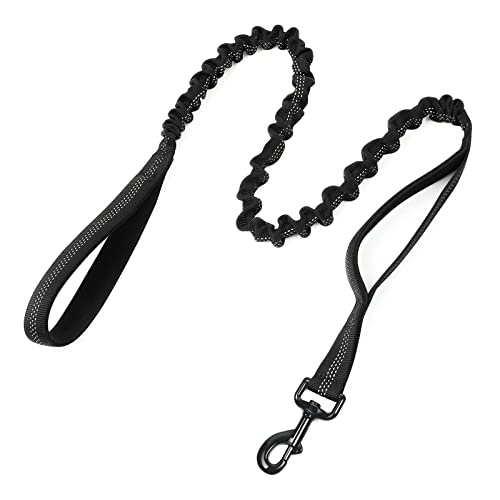
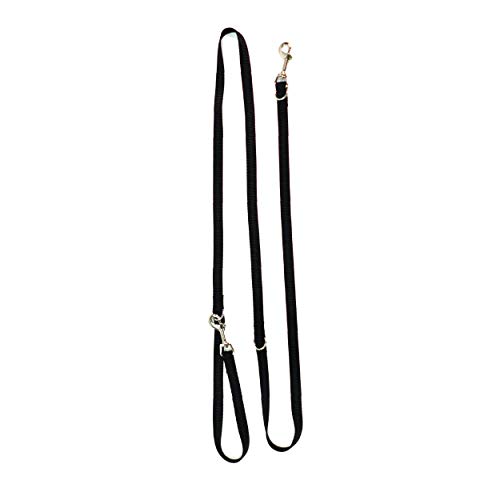
The Ruffwear Roamer Leash is our top pick for cold weather due to its durable, weather-resistant construction and padded handle that stays comfortable in freezing temperatures. For budget-conscious owners, the Rabbitgoo Reflective Leash offers excellent value with strong stitching and a traffic handle. If you need a hands-free option for winter runs, the Kurgo Quantum Leash provides versatility with multiple configurations.
What to consider for Dog Leash For Cold Weather
Cold weather leashes must resist stiffening in low temperatures, as standard nylon can become rigid and uncomfortable. Look for materials like neoprene or coated webbing that remain pliable. A padded or insulated handle prevents cold transfer to your hands, and reflective elements improve visibility during shorter winter days. Durability is key: ice and salt can accelerate wear, so reinforced stitching and corrosion-resistant hardware are essential. Consider length: a 6-foot leash offers control on icy sidewalks, while a longer line (10 to 15 feet) is useful for open snow fields. Finally, a traffic handle near the collar provides quick restraint near roads.
What to look for in a gear item (harness, collar, leash or muzzle)
Correct fit and sizing: the leash should be appropriate for your dog’s weight and pulling strength. Durable hardware and materials: opt for solid brass or stainless steel clips that won’t rust. Safety features: reflective stitching or integrated LED loops enhance visibility; a traffic handle adds control. Comfort and padding: a padded handle reduces strain on your hands during long walks. No-pull design: if your dog pulls, a leash with a built-in bungee or a hands-free belt can reduce jerking. Avoid leashes with thin, flimsy clips that may break under pressure.
How we chose these picks
- Evaluated material flexibility and durability in cold conditions based on manufacturer specifications and user feedback.
- Prioritized leashes with padded or insulated handles for comfort in freezing temperatures.
- Checked for reflective elements to enhance safety during low-light winter walks.
- Assessed hardware quality, favoring corrosion-resistant clips and strong stitching.
- Considered versatility, such as multiple attachment points or convertible designs.
- Reviewed price-to-value ratio, ensuring budget options still meet safety standards.
- Consulted professional dog trainer recommendations for training-friendly features.
- Never ranked a product higher just because it pays a commission.
What to avoid
- Ill-fitting sizes: a leash that is too long or short can reduce control; match length to your walking environment.
- Flimsy clips that fail on strong dogs: avoid plastic or thin metal clips; choose heavy-duty carabiners or locking hooks.
- Aversive tools used without professional guidance: prong or choke attachments on leashes require proper training to avoid injury.
- Retractable leashes near traffic: the thin cord can snap in cold weather and offers poor control; use a standard leash on roads.
For more helpful guides, visit our dog guides, dog care products, and dog health sections.