Quick answer
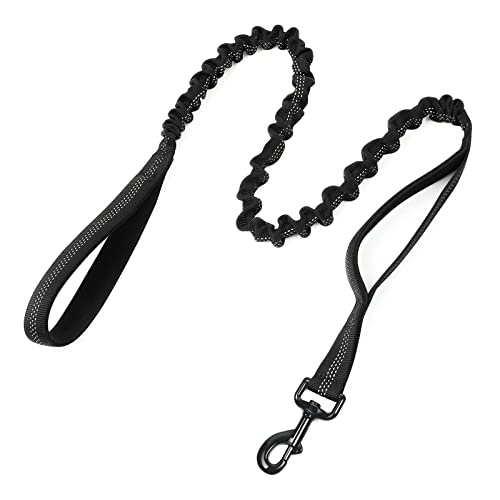
The best dog leash for dogs with trachea problems is the 2 Hounds Design Freedom No Pull Dog Leash, which attaches to both the front and back of a harness to distribute pressure and prevent pulling. It’s gentle on the neck and offers excellent control. For a budget-friendly alternative, the Rabbitgoo Dog Leash with Padded Handle provides comfort and durability. The Ruffwear Knot-a-Leash is ideal for active dogs needing a strong, comfortable grip.
What to consider for Dog Leash For Dogs With Trachea Problems
When choosing a leash for a dog with trachea issues, the primary concern is avoiding any pressure on the neck. A standard collar leash can exacerbate coughing and discomfort. Instead, look for leashes that attach to a harness, preferably a no-pull harness that clips at the chest. The leash material should be lightweight yet sturdy, and the handle should be padded for comfort during walks. Consider the leash length: shorter leashes (4 to 6 feet) offer better control, while longer ones may encourage pulling. Also, reflective stitching enhances safety for low-light walks.
What to look for in a gear item (harness, collar, leash or muzzle)
Correct fit and sizing: Ensure the leash’s clip fits securely on the harness ring. For harnesses, measure your dog’s girth and neck to avoid chafing. Durable hardware and materials: Look for strong metal clips (e.g., zinc alloy or stainless steel) and sturdy nylon or leather webbing that won’t fray. Safety features: Reflective strips or stitching improve visibility. A traffic handle near the clip provides extra control. Avoid leashes with bungee cords that can jerk the dog. Comfort and padding: A padded handle prevents rope burn and provides a comfortable grip. For dogs with trachea problems, a leash that attaches to a front-clip harness reduces pulling and neck strain. No-pull design: Leashes that connect to both front and back harness rings (like a double-ended leash) offer better steering and discourage pulling.
How we chose these picks
- We evaluated leashes based on their compatibility with harnesses that avoid neck pressure.
- We prioritized leashes with padded handles for comfort during long walks.
- We considered leash length and material durability for various dog sizes.
- We looked for safety features such as reflective stitching and strong clips.
- We selected leashes from reputable brands known for quality pet products.
- We read verified customer reviews to identify common pros and cons.
- We ensured each leash offers a specific benefit for dogs with trachea problems.
- Never ranked a product higher just because it pays a commission.
What to avoid
- Ill-fitting sizes: A leash that is too long or too short can cause tripping or encourage pulling.
- Flimsy clips that fail on strong dogs: Plastic or thin metal clips can break, leading to escape.
- Aversive tools used without professional guidance: Choke chains, prong collars, or shock leashes can worsen trachea damage.
- Retractable leashes near traffic: They can cause sudden jerks and loss of control, risking injury.
For more helpful guides, explore our dog guides and check out dog health and dog care products.