Quick answer
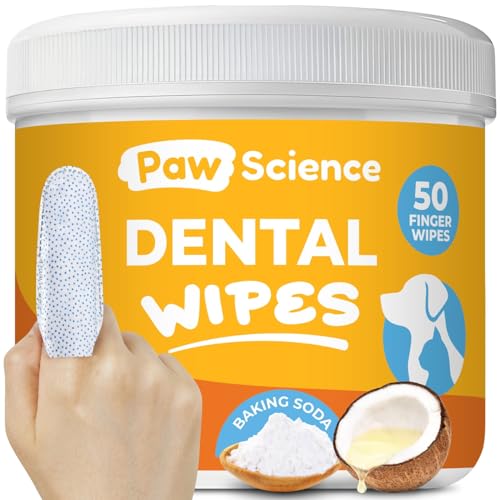
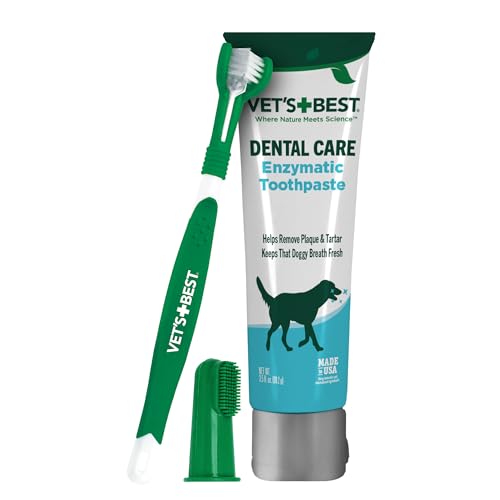
Our top pick for best dog toothbrush for tartar control is the Vet’s Best Dog Toothbrush Kit. It includes a triple-headed brush that cleans three sides of the tooth at once, making it easier to remove plaque before it hardens into tartar. For dogs that resist brushing, the Paws & Pals Finger Toothbrush is a gentler alternative that lets you feel your dog’s teeth and gums.
What to consider for Dog Toothbrush For Tartar Control
When choosing a toothbrush for tartar control, consider the bristle firmness (soft to medium is best for dogs), the head shape (angled or multi-sided heads reach back teeth better), and the handle grip (non-slip helps you maintain control). For small dogs, a finger brush may be easier to maneuver, while large dogs benefit from a long-handled brush with a larger head. Electric toothbrushes can be more effective at removing plaque but require your dog to tolerate vibration and noise.
What to look for in a grooming product (shampoo, brush, clipper or wipe)
For a dog toothbrush, look for soft bristles that won’t damage gums, a comfortable handle for you to hold, and a head size appropriate for your dog’s mouth. If your dog has sensitive gums, choose a brush with extra-soft bristles. For nervous dogs, a finger brush may be less intimidating. Ensure the brush is made from non-toxic materials, as dogs may chew on it. For electric brushes, look for low noise and gentle vibration settings.
How we chose these picks
- Reviewed product specifications and bristle firmness ratings from manufacturers.
- Considered handle design and ergonomics for ease of use.
- Evaluated head shape and size for reaching molars and tartar-prone areas.
- Checked for non-toxic materials and safety certifications.
- Read customer feedback on durability and effectiveness over time.
- Compared price to value, including any included accessories like travel cases.
- Never ranked a product higher just because it pays a commission.
What to avoid
- Avoid human toothbrushes, as they are too harsh for dog gums and have wrong bristle firmness.
- Do not use brushes with hard bristles; they can cause gum recession and pain.
- Avoid brushes with small heads that are too tiny for large breeds; they won’t clean effectively.
- Do not use a brush that has been chewed or damaged; replace it every 3 to 4 months.
For more grooming advice, check out our dog guides, dog care products, and dog health sections.