Quick answer
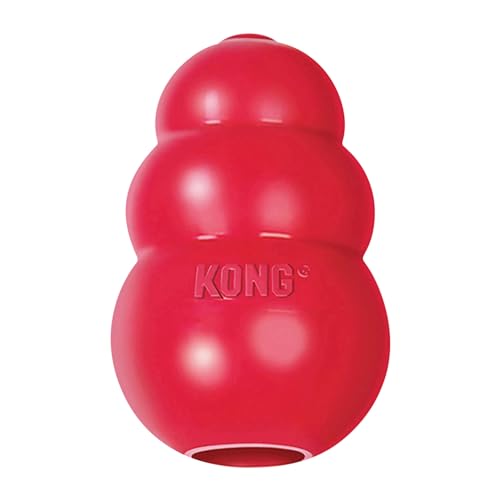
The KONG Classic is our top pick for smart dogs because its unpredictable bounce and treat-stuffing capability provide mental stimulation and reward patience. For dogs that need a tougher challenge, the Outward Hound Nina Ottosson Dog Tornado puzzle offers multiple compartments. If your dog is a heavy chewer, the West Paw Zogoflex Qwizl combines treat hiding with extreme durability.
What to consider for Dog Training Treats For Smart Dogs
Smart dogs get bored quickly, so training treats must offer more than just taste. Look for toys that dispense treats slowly or require problem-solving, like puzzles or chew toys with hidden compartments. The size of the treat should match the toy’s opening to avoid frustration. Also consider the treat’s calorie density, as smart dogs often need many repetitions during training sessions. Soft, small treats are ideal for quick rewards, while longer-lasting chews work for sustained engagement.
What to look for in a toy or chew (chew toy, puzzle, lick mat or dental chew)
Choose a size appropriate to your dog to prevent choking. Durability should match your dog’s chew strength: soft rubber for gentle chewers, tough nylon or reinforced rubber for power chewers. Ensure materials are non-toxic, such as food-grade silicone or natural rubber. For dental chews, look for the VOHC seal of acceptance. The toy should provide genuine enrichment, such as hiding treats or making the dog work to get them out.
How we chose these picks
- Evaluated treat-dispensing and puzzle features for mental engagement.
- Checked durability ratings and material safety (BPA-free, non-toxic).
- Considered size and treat capacity to suit different breeds.
- Included options for various budgets and difficulty levels.
- Reviewed customer feedback on long-term use and cleaning ease.
- Prioritized products from reputable brands with good track records.
- Never ranked a product higher just because it pays a commission.
What to avoid
- Toys small enough to be swallowed or cause choking.
- Hard chews that can crack teeth, like antlers or bones.
- Toys that shed pieces or have loose parts.
- Leaving a heavy chewer unsupervised with any toy.
For more guidance, check our dog guides and also dog food and dog health sections.


