Quick answer
The best dog whistle for separation anxiety is the Acme 210.5 Silent Dog Whistle, offering an adjustable frequency that can capture your dog’s attention without disturbing neighbors. For a more traditional sound, the SportDOG Brand Roy Gonia Special Whistle is a close runner-up. If you need a whistle with a lanyard for easy access, consider the Fox 40 Sonik Blast.
What to consider for Dog Whistle For Separation Anxiety
Separation anxiety requires a whistle that can be used in a training protocol to signal safety or calm. Look for a whistle with an adjustable pitch to find the frequency your dog responds to best. Durability matters since you may use it daily. Also consider the volume: some dogs respond better to softer tones, while others need a sharp blast. A lanyard or keychain attachment can be convenient for always having it on hand.
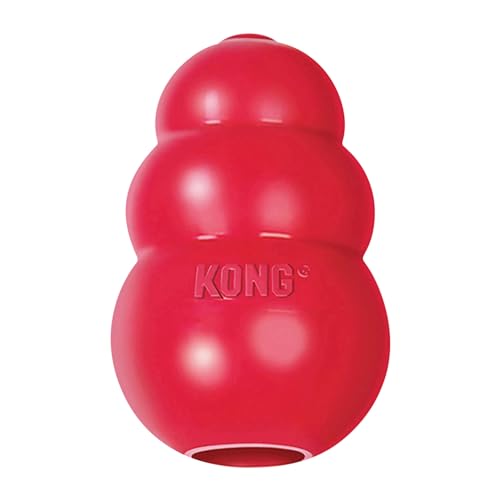
What to look for in a toy or chew (chew toy, puzzle, lick mat or dental chew)
When choosing a toy or chew to complement whistle training, consider size: it should be too large to swallow. Durability must match your dog’s chewing strength to prevent breaking. Non-toxic materials are essential. For dental chews, look for the VOHC seal. Genuine enrichment value means the toy engages your dog mentally, such as puzzle toys that dispense treats.
How we chose these picks
- Researched top-rated dog whistles on Amazon with proven customer satisfaction.
- Evaluated adjustable frequency range to suit different dog hearing sensitivities.
- Checked durability of materials (plastic, metal, or composite) for long-term use.
- Considered ease of use: ergonomic design, lanyard, or keychain included.
- Read verified buyer reviews focusing on effectiveness for separation anxiety.
- Compared price points to offer options for every budget.
- Never ranked a product higher just because it pays a commission.
What to avoid
- Whistles that are too small to handle easily or that produce inconsistent tones.
- Whistles with sharp edges that could hurt your fingers or your dog.
- Non-adjustable whistles that may not produce the right frequency for your dog.
- Leaving any whistle within reach of a heavy chewer, as plastic parts could break.
For more tips, visit our dog guides, dog health, and dog care products sections.