Quick answer
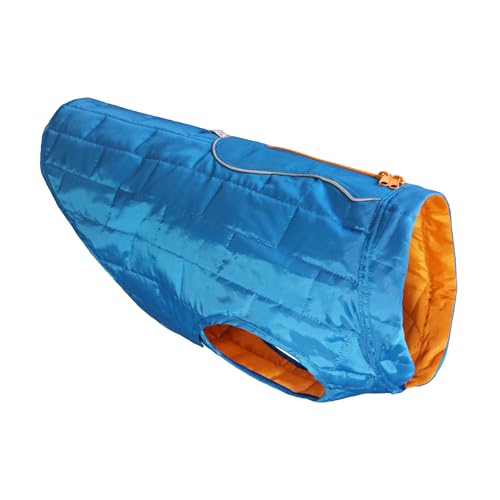
The best dog winter coat for Boston Terriers is the Chai’s Choice 3M Thinsulate Dog Coat for its excellent insulation, adjustable fit, and reflective safety trim. For a budget-friendly alternative, the Pawtitas Waterproof Reversible Dog Coat offers good warmth at a lower price. If your Boston Terrier needs extra coverage, the Kurgo Loft Dog Coat provides a longer cut and water resistance.
What to consider for Dog Winter Coat For Boston Terriers
Boston Terriers have short coats and low body fat, making them prone to cold. A winter coat should cover the chest and belly, have a secure closure (like Velcro or buckle), and be easy to put on and take off. Look for materials that are windproof and water-resistant, with a soft lining to prevent chafing. Sizing is critical: measure the neck, chest, and back length, and check the manufacturer’s size chart. Avoid coats that restrict movement or have loose parts that could be chewed off.
What to look for in a gear item (harness, collar, leash or muzzle)
When selecting a winter coat, consider these features: correct fit and sizing (measure your dog and consult the size chart), durable hardware (plastic clips should be sturdy, and zippers should be smooth), safety features (reflective strips or piping for visibility, a D-ring for leash attachment), comfort and padding (soft inner lining, no rough seams), and a no-pull design if your dog tends to pull on walks. For Boston Terriers, a coat with a harness opening is convenient for attaching a leash.
How we chose these picks
- Researched product specifications and customer reviews on Amazon.
- Evaluated warmth ratings and material quality.
- Checked for proper fit for Boston Terrier body shape (broad chest, short back).
- Considered ease of use (putting on and taking off).
- Looked for safety features like reflective elements.
- Compared price points to offer options for different budgets.
- Never ranked a product higher just because it pays a commission.
What to avoid
- Ill-fitting sizes that are too tight around the neck or too loose around the belly.
- Flimsy clips or Velcro that may fail on active dogs.
- Aversive tools like choke chains or prong collars used without professional guidance.
- Retractable leashes near traffic as they can cause accidents.
For more helpful guides, visit our dog guides and check out our dog care products and dog health sections.