Quick answer
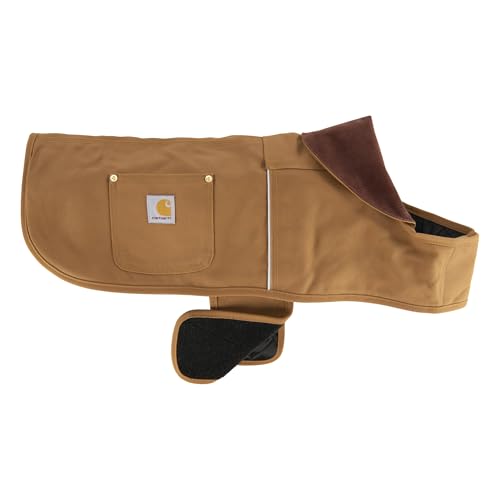
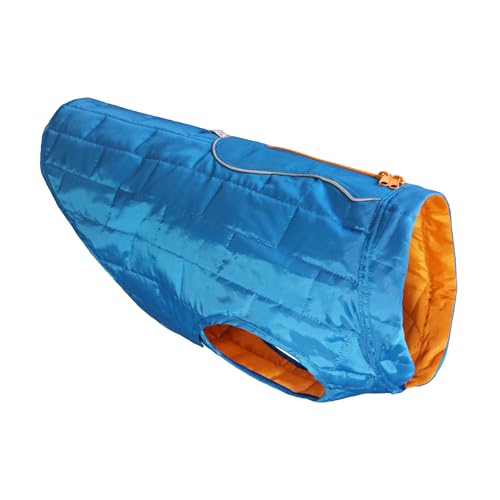
The best dog winter coat for Pitbulls is the Ruffwear Powder Hound Insulated Dog Coat for its excellent insulation, durable shell, and secure fit. For a budget-friendly option, the Chai’s Choice Extreme Weather Waterproof Dog Coat provides solid warmth and waterproofing. If your Pitbull pulls on walks, consider a coat with a no-pull harness compatibility like the Kurgo Loft Dog Coat.
What to consider for Dog Winter Coat For Pitbulls
Pitbulls have a short, single-layer coat and low body fat, so they lose heat quickly. A winter coat should provide insulation without restricting movement, especially around the broad chest and shoulders. Look for a coat that covers the belly and has a high neck for extra warmth. Waterproof or water-resistant fabric is important for wet snow or rain. Reflective trim enhances visibility during dark winter walks. Also consider ease of putting on and taking off, as well as durability for an active, strong dog.
What to look for in a gear item (harness, collar, leash or muzzle)
When choosing a winter coat for a Pitbull, focus on correct fit and sizing: measure the neck, chest girth, and back length. Durable hardware and materials are essential to withstand pulling and rough play. Safety features include escape-resistant closures (e.g., velcro plus buckle), no-choke design, and reflective elements for low-light visibility. Comfort and padding ensure the coat doesn’t rub or restrict movement. A no-pull design, such as a front-clip harness compatibility, can help manage pulling during walks.
How we chose these picks
- Evaluated insulation and warmth for short-coated breeds.
- Checked fit for deep-chested, muscular builds like Pitbulls.
- Assessed durability of fabric and hardware for active dogs.
- Reviewed waterproofing and wind resistance for winter weather.
- Looked for safety features like reflectivity and secure closures.
- Considered ease of use: putting on, taking off, and cleaning.
- Compared price to value and long-term performance.
- Never ranked a product higher just because it pays a commission.
What to avoid
- Ill-fitting sizes: too tight restricts movement, too loose allows cold air in and may slip off.
- Flimsy clips or velcro that can fail on a strong, pulling dog.
- Aversive training tools like choke chains or prong collars used without professional guidance.
- Retractable leashes near traffic; they can break or cause injury.
For more guidance, check our dog guides and explore dog food or dog health resources.