Quick answer
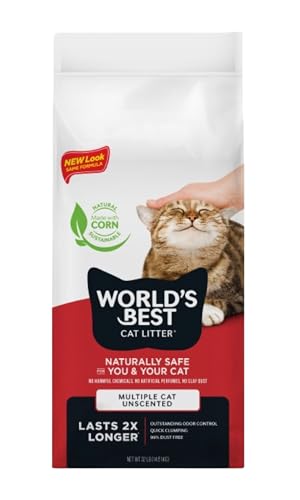
Our top pick is Dr. Elsey’s Precious Cat Ultra Unscented Clumping Clay Litter. It offers excellent clumping, nearly dust-free performance, and is unscented, which is ideal for British Shorthair kittens with sensitive noses. For a natural alternative, World’s Best Cat Litter Multiple Cat Unscented is a close second, though it tracks slightly more. If odor control is your main concern, Arm & Hammer Clump & Seal Platinum is unbeatable.
What to consider for Dust Free Cat Litter For British Shorthair Kittens
British Shorthair kittens have a dense, double coat that can trap dust and dander, leading to skin irritation or respiratory issues. Their flat faces (brachycephalic) also make them prone to breathing problems, so low-dust litter is crucial. Additionally, kittens explore with their paws and may ingest litter, so non-toxic, unscented options are safest. Look for litters that clump firmly to make scooping easy and minimize ammonia buildup.
What to look for in a cat litter or litter-area product
Strong clumping and odor control are essential to keep the litter box fresh and reduce ammonia fumes. Low dust is critical for your kitten’s airways and your home’s air quality. Low tracking helps keep litter from spreading across floors, especially with active kittens. For multi-cat households, choose a litter that handles multiple cats without losing effectiveness. Unscented litter is best for sensitive cats, as artificial fragrances can deter them from using the box.
How we chose these picks
- Reviewed product specifications for dust content and particle size.
- Analyzed customer feedback on clumping strength and odor control.
- Considered safety for kittens, including non-toxic ingredients and no added fragrances.
- Evaluated tracking and dust levels based on user reports.
- Selected products from reputable brands with consistent quality.
- Included options for different budgets and preferences (clay vs. natural).
- Never ranked a product higher just because it pays a commission.
What to avoid
- Heavily scented litters that can put cats off the box or cause respiratory irritation.
- High-dust clay litters that can aggravate breathing issues in kittens.
- A box that is too small or too few boxes for the number of cats, leading to avoidance.
- Sudden litter changes without a gradual transition, which can cause litter box aversion.
For more cat care tips, check out our cat guides, cat food, and cat care products sections.