Quick answer
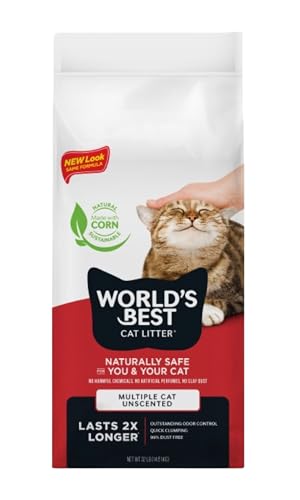
Our top pick is Dr. Elsey’s Precious Cat Ultra Unscented Clay Litter. It offers 99.9% dust-free clumping, excellent odor control, and a hard clumping action that makes scooping easy. For a natural alternative, World’s Best Cat Litter Multiple Cat Unscented is a close runner-up, though it tracks a bit more.
What to consider for Dust Free Cat Litter For Cats That Eat Too Fast
Cats that eat too fast often gulp air, leading to digestive issues and potential respiratory irritation from dusty litter. The key is choosing a litter with minimal airborne particles to protect your cat’s lungs. Additionally, fast eaters may be prone to obesity or vomiting, so a litter that encourages regular use without respiratory stress is important. Look for litters labeled 99.9% dust-free or made from natural materials like corn or walnut shells, which produce less dust than traditional clay.
What to look for in a cat litter or litter-area product
Strong clumping and odor control are essential to keep the box fresh and encourage consistent use. Low dust is critical for cats with sensitive airways, especially those that eat fast and may already have respiratory strain. Low tracking reduces mess around the box, and multi-cat suitability ensures the litter holds up under heavy use. An unscented option is best for sensitive cats, as fragrances can deter them from using the box.
How we chose these picks
- Evaluated dust levels based on manufacturer claims and independent reviews.
- Assessed clumping strength and odor control using established criteria.
- Considered tracking and overall mess reduction.
- Prioritized unscented formulas to avoid deterring cats.
- Checked for multi-cat suitability where relevant.
- Selected products from reputable brands with consistent quality.
- Never ranked a product higher just because it pays a commission.
What to avoid
- Heavily scented litters that may put cats off the box.
- High-dust clay litters that can exacerbate breathing issues.
- A box that is too small or too few boxes for the number of cats.
- Sudden litter changes; always transition gradually over a week.
For more tips, check out our cat guides, cat food, and cat health resources.