Quick answer
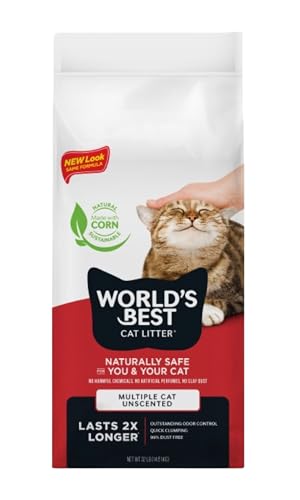
Our top pick is Dr. Elsey’s Precious Cat Ultra Unscented Clay Litter. It offers excellent clumping, low dust, and strong odor control, making it ideal for cats that wake you up with litter box activity. For a natural alternative, World’s Best Cat Litter Multiple Cat Unscented is a close runner-up with even lower dust.
What to consider for Dust Free Cat Litter For Cats That Wake You Up
When your cat’s litter box habits disturb your sleep, dust becomes a key factor. High-dust litters can cause sneezing or coughing, waking both you and your cat. Look for litters labeled low dust or dust free, often made from natural materials like corn or walnut shells. Also consider clumping strength to reduce scooping time and odor control to keep the box fresh longer. A larger, covered box can muffle sounds, but ensure proper ventilation.
What to look for in a cat litter or litter-area product
Strong clumping and odor control are essential to minimize scooping frequency and keep the box smelling clean. Low dust is critical for cats with respiratory sensitivities, reducing airborne particles that can trigger sneezing. Low tracking helps keep litter from spreading around the box, lessening cleanup. Multi-cat suitability is important if you have more than one cat, as it handles higher usage. Unscented options are best for sensitive cats, as fragrances can deter use.
How we chose these picks
- Evaluated dust levels based on manufacturer claims and user reviews.
- Assessed clumping ability and odor control from product descriptions.
- Considered tracking and multi-cat performance.
- Focused on unscented or lightly scented options for sensitive cats.
- Selected products from reputable brands with consistent quality.
- Included a range of materials (clay, corn, walnut) for different preferences.
- Never ranked a product higher just because it pays a commission.
What to avoid
- Heavily scented litters that can put cats off the box and cause avoidance.
- High-dust clay litters for cats with breathing issues or asthma.
- A box too small or too few boxes for the number of cats, leading to stress.
- Sudden litter changes without gradual transition, which can cause litter box aversion.
For more guidance, explore our cat guides, cat care products, and cat health resources.