Quick answer
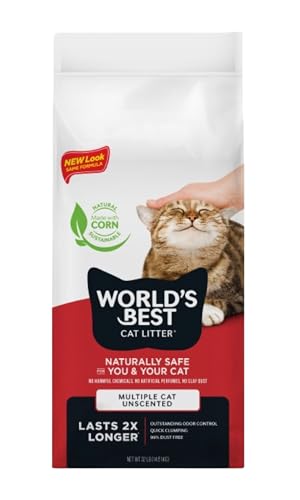
Our top pick is Dr. Elsey’s Precious Cat Ultra Unscented Clay Litter. It offers excellent clumping, strong odor control, and very low dust, with large granules that track less than finer litters. For a natural alternative, World’s Best Cat Litter Multiple Cat Unscented provides good tracking control and is flushable, though it may produce slightly more dust than clay.
What to consider for Dust Free Cat Litter For Tracking Control
Tracking control is about keeping litter inside the box, not scattered across your home. Dust-free litters reduce airborne particles that can irritate both cats and humans. Key factors include granule size (larger granules track less), dust level (look for low-dust or dust-free claims), and texture (some cats prefer finer textures, which may track more). Also consider your cat’s habits: if they dig vigorously or leap out of the box, tracking will be higher regardless of litter type.
What to look for in a cat litter or litter-area product
Strong clumping and odor control are essential to keep the box fresh and encourage use. Low dust is critical for cats with respiratory sensitivities or asthma. Low tracking reduces mess around the box. For multi-cat households, choose a litter that can handle multiple users without breaking down. Unscented options are best for sensitive cats, as fragrances can deter them from using the box.
How we chose these picks
- Evaluated dust levels based on manufacturer claims and user reports of airborne particles.
- Assessed tracking control by comparing granule size and texture.
- Considered clumping ability and odor control effectiveness.
- Checked for unscented options to accommodate sensitive cats.
- Included a range of materials (clay, plant-based) to suit different preferences.
- Prioritized products with positive reviews from cat owners.
- Never ranked a product higher just because it pays a commission.
What to avoid
- Heavily scented litters that may put cats off the box or cause respiratory irritation.
- High-dust clay litters for cats with breathing issues; opt for low-dust or dust-free alternatives.
- A box that is too small or too few boxes for the number of cats; follow the rule of one box per cat plus one extra.
- Sudden litter changes; transition gradually over a week to avoid litter box aversion.
For more tips, explore our cat guides, cat care products, and cat health sections.