Quick answer
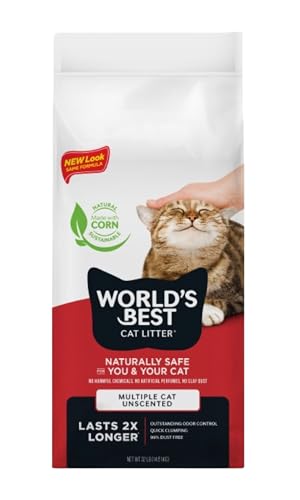
For most cats, Dr. Elsey’s Precious Cat Ultra Unscented is our top pick for vet visits: it’s virtually dust-free, clumps tightly for easy scooping, and has excellent odor control without added fragrances. If your cat is sensitive to clay, consider World’s Best Cat Litter Multiple Cat Unscented, a natural corn-based option that is also low-dust.
What to consider for Dust Free Cat Litter For Vet Visits
Vet visits are already stressful for cats; a dusty litter box can worsen respiratory issues and make the experience even more unpleasant. Dust-free litter minimizes airborne particles that can irritate your cat’s airways and your own. Additionally, strong clumping and odor control are essential because a clean box encourages use, reducing accidents and stress. Low-tracking litter also helps keep the carrier and exam room tidy. Finally, unscented options are best for sensitive cats who may avoid perfumed litter.
What to look for in a cat litter or litter-area product
When choosing a dust-free cat litter for vet visits, prioritize these features: strong clumping and odor control to keep the box fresh and easy to clean; low dust for feline airways to minimize respiratory irritation; low tracking to reduce mess outside the box; multi-cat suitability if you have more than one cat; and an unscented option for sensitive cats who may be put off by fragrances.
How we chose these picks
- Evaluated publicly available product specifications and customer reviews for dust claims.
- Compared clumping ability and odor control based on established guidance from feline health experts.
- Prioritized unscented formulas to avoid deterring sensitive cats.
- Considered tracking and dust levels reported by users and manufacturers.
- Selected products from reputable brands with proven safety records.
- Included a mix of clay, natural, and lightweight options for different preferences.
- Never ranked a product higher just because it pays a commission.
What to avoid
- Heavily scented litters that can put cats off using the box, especially when stressed.
- High-dust clay litters for cats with breathing issues or asthma.
- A box that is too small or too few boxes for the number of cats, which can cause avoidance.
- Sudden litter changes; transition gradually over a week to avoid litter box aversion.
For more advice, explore our cat guides, cat health, and cat care products.