Quick answer
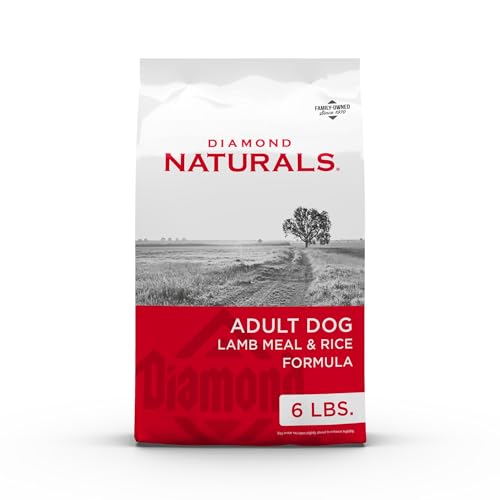
For most adult Australian Shepherds, our editorial team leans toward Purina Pro Plan Sport All Life Stages High Protein 30/20 as the best overall pick because it pairs a named animal protein first ingredient with a higher protein and fat ratio that suits an active herding breed, and it carries an AAFCO complete and balanced statement. If your Aussie has a touchy gut, Hill’s Science Diet Sensitive Stomach and Skin is a gentler choice. On a tight budget, Diamond Naturals Adult delivers solid nutrition for less, while Purina Pro Plan Puppy fits growing pups and Wellness Complete Health works well as a grain inclusive everyday option. Always confirm any diet choice with your veterinarian, especially if your dog has a health condition.
What to consider for Dog Food For Australian Shepherd
Australian Shepherds are medium sized, athletic herding dogs that typically weigh 40 to 65 pounds and carry a lot of drive in a compact frame. They were bred to move livestock for hours, so an active Aussie often needs more calories per pound than a sedentary dog of the same size, while a couch companion Aussie can gain weight quickly if overfed. Portion to your individual dog and body condition, not just the bag chart.
The breed is also known for a heavy double coat, so omega fatty acids that support skin and coat can be a sensible feature to look for, though they are not a cure for any skin problem. Some Aussies have food sensitivities that show as itching or loose stool, which may call for a simplified or limited ingredient recipe chosen with your vet. The breed can also carry the MDR1 gene variant, which affects certain medications rather than food, but it is a reason to keep your veterinarian in the loop on anything you give your dog. Joint support matters too, since this is an active breed that jumps and turns hard during play and work.
What to look for in a dog food
Start with the label. Look for an AAFCO complete and balanced statement for the correct life stage, either adult maintenance, growth, or all life stages, so the food is formulated as a primary diet rather than a topper. A named meat as the first ingredient, such as chicken, beef, lamb, or salmon, is preferable to a vague unnamed meat source.
For an average adult Australian Shepherd, many maintenance foods land around 22 to 30 percent protein and 12 to 18 percent fat on a dry matter basis, with active or sport formulas often sitting higher. Calorie density commonly runs about 350 to 450 kcal per cup, so a hardworking Aussie and a mellow one can need very different portions. These are practical ranges to compare products, not medical rules, and your vet can set a target for your specific dog. Aussies are a medium breed, so standard kibble size and adult formulas generally suit them, while large breed specific formulas are aimed at bigger dogs. Recipes that include omega 3 fatty acids for skin and coat, plus glucosamine and chondroitin or similar joint support, can be a reasonable fit for this active breed, though no ingredient is guaranteed to prevent or treat joint disease.
Find the right food for your dog’s needs
The picks above suit a healthy adult Australian Shepherd. For a specific life stage or health need, use these focused guides.
- Puppies: see our guide to the best Australian Shepherd food for puppies.
- Seniors: see our guide to the best Australian Shepherd food for senior dogs.
- Sensitive stomachs: see our guide to the best Australian Shepherd food for sensitive stomachs.
- Skin allergies: see our guide to the best Australian Shepherd food for skin allergies.
Which food type is best?
Dry, wet, fresh, raw and dehydrated foods can all work for a Australian Shepherd. The right one depends on your budget, your dog’s preferences and any health needs.
- Dry: most economical and convenient, and the crunch helps clean teeth.
- Wet: higher moisture and often more palatable, useful for fussy eaters or as a topper.
- Fresh and gently cooked: minimally processed with recognisable ingredients, at a higher cost.
- Raw and freeze-dried raw: high protein and minimally processed; handle safely and ask your vet first.
Getting the best value
The cheapest bag is not always the best value. A quality food that keeps your Australian Shepherd lean, with a healthy coat and firm stools, often means fewer vet visits. Feed to a healthy body condition rather than the bag maximum, and choose a recipe built around quality animal protein.
How we chose these picks
- We compared products using publicly available manufacturer information, ingredient panels, and guaranteed analysis figures rather than personal testing.
- We required a clear AAFCO complete and balanced statement for a defined life stage on every pick.
- We prioritized recipes that name a specific animal protein as the first ingredient.
- We favored protein, fat, and calorie levels that suit a medium sized, high energy herding breed.
- We checked that each brand is widely sold and currently available so readers can actually find it.
- We noted skin, coat, and joint support features that are relevant to the Australian Shepherd, while avoiding any medical promises.
- We reviewed each brand for publicly reported recall history and overall transparency.
- Never ranked a product higher just because it pays a commission.
What to avoid
- An unnamed generic “meat meal” listed as the only protein source, with no species named, since you cannot tell what is actually in it.
- Defaulting to grain free or legume heavy recipes without a reason, because the FDA investigation into a potential link between certain diets and canine dilated cardiomyopathy remains ongoing, and a grain inclusive diet is the safer default unless your veterinarian advises otherwise.
- Feeding an all life stages food to a large breed puppy, since growth formulas need controlled calcium and energy, though most Aussie pups are medium sized rather than large.
- Abrupt diet switches, which can upset the stomach. Transition gradually over about 7 to 10 days.
For more help choosing the right diet and gear for your dog, browse our dog guides, our dog food picks, and our dog nutrition resources.