Quick answer
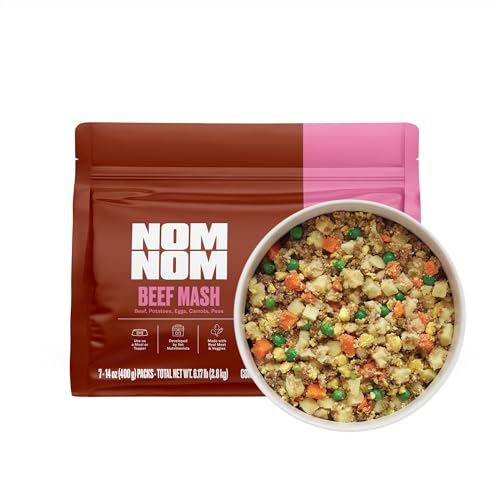
The best fresh dog food for farm dogs is The Farmer’s Dog Chicken Recipe, offering high protein and balanced fats for sustained energy. For dogs with sensitive stomachs, Ollie Fresh Chicken with Carrots is a great alternative. If budget is a concern, Nom Nom’s Beef Mash provides quality ingredients at a lower price.
What to consider for Fresh Dog Food For Farm Dogs
Farm dogs need more calories and protein than typical pets due to their active lifestyle. Fresh dog food can provide higher moisture content and digestibility, which is beneficial for hydration and nutrient absorption. However, it’s important to ensure the food is complete and balanced for the dog’s life stage and activity level. Consider the dog’s size, breed, and specific health needs when choosing a fresh food.
What to look for in a dog food
Look for a statement from AAFCO confirming the food is complete and balanced for the appropriate life stage. The first ingredient should be a named meat source like chicken or beef. Protein content should be around 25% to 35% for active dogs, with fat between 15% to 20%. Calories should range from 350 to 500 kcal per cup, depending on activity. For large breeds, ensure proper calcium and phosphorus levels. Joint support from glucosamine and omega fatty acids can be beneficial for working dogs.
How we chose these picks
- Evaluated nutritional profiles for high protein and fat suitable for active farm dogs.
- Checked that each product meets AAFCO nutrient profiles for adult maintenance or all life stages.
- Prioritized brands with named meat as the first ingredient and no artificial preservatives.
- Considered customer feedback on palatability and digestive health.
- Assessed price per calorie to ensure value for large breed working dogs.
- Included options for dogs with sensitivities or specific dietary needs.
- Verified that companies have transparent sourcing and manufacturing practices.
- Never ranked a product higher just because it pays a commission.
What to avoid
- Foods with unnamed meat meals or by-products as the primary protein source.
- Defaulting to grain-free or legume-heavy recipes without veterinary guidance, due to the FDA’s ongoing investigation into a potential link with canine dilated cardiomyopathy.
- All-life-stages formulas for large breed puppies, as they may not have the correct calcium balance.
- Abrupt diet switches; transition over 7 to 10 days to avoid digestive upset.
For more guides, visit our dog guides, dog food, and dog nutrition sections.