Quick answer
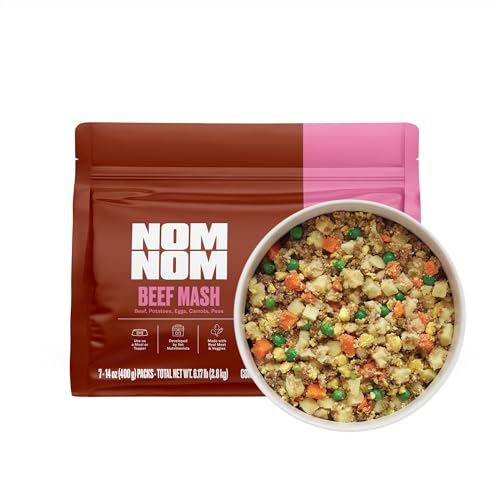
For multi-pet homes, our top pick is The Farmer’s Dog because its pre-portioned meals simplify feeding dogs of different sizes and ages. If you need a more budget-friendly option, Nom Nom offers similar quality at a lower price. For households with a mix of breeds and life stages, Ollie provides flexible recipes that cater to each dog’s needs.
What to consider for Fresh Dog Food For Multi Pet Homes
Feeding multiple dogs fresh food means managing different caloric needs, portion sizes, and potential food sensitivities. You’ll want a service that offers customizable plans per dog, easy-to-store packaging, and consistent delivery. Some brands allow you to mix proteins across dogs, which helps if one has allergies. Also consider the cost per serving when buying for several dogs, as fresh food is pricier than kibble.
What to look for in a dog food
Look for an AAFCO statement confirming the food is complete and balanced for your dog’s life stage (growth, adult, or all life stages). The first ingredient should be a named meat like chicken or beef. Protein levels should be around 25 to 35% on a dry matter basis, fat 10 to 20%, and calories 350 to 500 kcal per cup for most adult dogs. For large breeds, ensure calcium and phosphorus levels support bone health. Omega-3 fatty acids from fish oil help skin and coat, and glucosamine can support joints in older dogs.
How we chose these picks
- Evaluated ingredient quality and sourcing transparency
- Checked for AAFCO nutritional adequacy statements
- Assessed customization options for multiple dogs
- Considered price per serving for multi-pet households
- Reviewed customer feedback on palatability and digestion
- Ensured recipes meet WSAVA guidelines for complete nutrition
- Factored in delivery reliability and packaging convenience
- Never ranked a product higher just because it pays a commission
What to avoid
- Avoid foods with unnamed meat meals (e.g., “meat meal”) as the primary protein source
- Be cautious with grain-free or legume-heavy recipes due to the FDA’s ongoing DCM investigation; grain-inclusive is a safer default unless your vet advises otherwise
- Do not feed an all-life-stages formula to a large-breed puppy, as it may have improper calcium levels
- Avoid abrupt diet switches; transition over 7 to 10 days by mixing old and new food
For more guidance, check our dog guides, dog food, and dog nutrition sections.