Quick answer
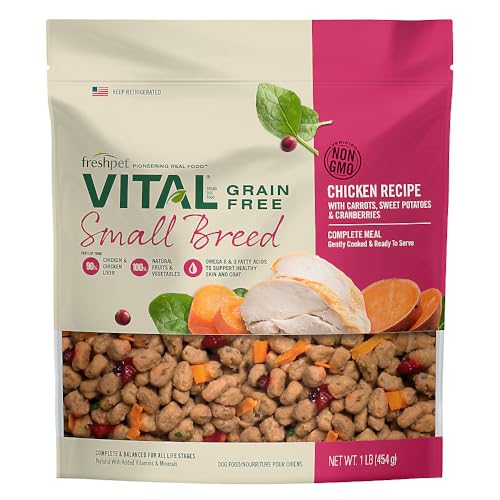
Our top pick is the Freshpet Vital Grain-Free Chicken Recipe, because it offers high protein, moderate fat, and low carbohydrates to support a healthy weight in neutered dogs. For those on a budget, the Nom Nom Turkey Fare provides balanced nutrition with portion control. If your dog has a sensitive stomach, consider The Farmer’s Dog Beef Recipe, which uses limited ingredients.
What to consider for Fresh Dog Food For Neutered Dogs
After neutering, a dog’s metabolism slows down and calorie requirements decrease by about 20 to 30 percent. Fresh dog foods often have higher moisture content and fewer fillers, which can help with satiety. However, not all fresh foods are formulated for weight management. Look for recipes with moderate fat (around 10 to 15 percent on a dry matter basis) and adequate protein (at least 25 percent) to maintain muscle mass. Avoid options with excessive carbohydrates or added sugars. Also consider the calorie density per cup or serving; many fresh foods are lower in calories than dry kibble, but portion sizes still matter.
What to look for in a dog food
First, ensure the food has an AAFCO statement of nutritional adequacy for adult maintenance. The first ingredient should be a named meat source like chicken, beef, or turkey. Protein should be around 25 to 35 percent on a dry matter basis, fat around 10 to 15 percent, and fiber around 3 to 5 percent. Calorie content should ideally be under 400 kcal per cup (or per serving if fresh). For large breeds, ensure the food meets large breed guidelines for calcium and phosphorus. Omega-3 fatty acids from fish oil or flaxseed can support joint health and skin. Glucosamine and chondroitin are beneficial for joint support, especially in larger neutered dogs.
How we chose these picks
- Evaluated AAFCO nutritional adequacy statements for adult maintenance.
- Compared protein, fat, fiber, and calorie content to match the needs of neutered dogs.
- Selected brands with high-quality, named meat as the first ingredient.
- Considered recipes with moderate fat and low carbohydrates to support weight management.
- Included options with added joint supplements like glucosamine and omega-3s.
- Reviewed customer feedback for palatability and digestive tolerance.
- Prioritized brands with transparent sourcing and manufacturing.
- Never ranked a product higher just because it pays a commission.
What to avoid
- Avoid foods with unnamed meat meals (e.g., “meat meal”) as the primary protein source.
- Be cautious with grain-free diets unless recommended by a veterinarian; the FDA continues to investigate a potential link between grain-free diets and canine dilated cardiomyopathy (DCM).
- Steer clear of all-life-stages foods for large-breed puppies, as they may have improper calcium levels.
- Do not abruptly switch your dog’s food; transition over 7 to 10 days to avoid digestive upset.
- Avoid foods with excessive carbohydrates or added sugars, which can contribute to weight gain.
For more guidance, explore our dog guides and dog food category or dog nutrition resources.