Quick answer
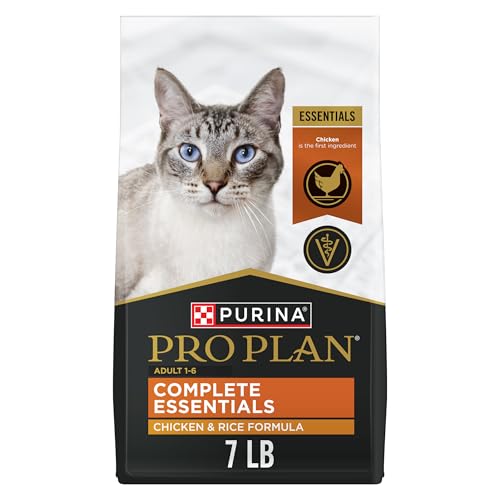
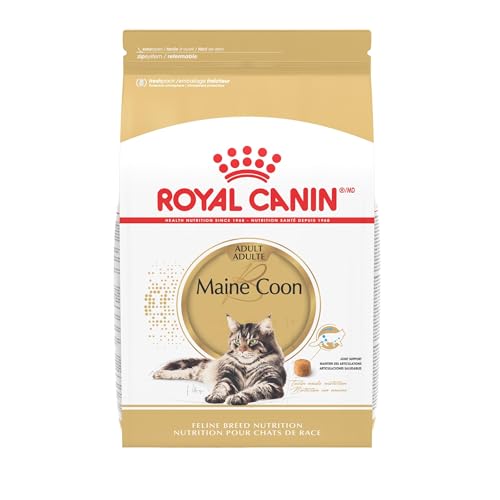
Our top pick is Royal Canin Maine Coon Adult Dry Cat Food, tailored to their unique jaw shape and nutritional needs. For owners seeking a budget-friendly option, Purina Pro Plan Complete Essentials offers balanced nutrition. If your Maine Coon has a sensitive stomach, Hill’s Science Diet Sensitive Stomach & Skin is an excellent choice.
What to consider for Cat Food For Maine Coons
Maine Coons are one of the largest domestic cat breeds, often weighing 10 to 25 pounds. They have a slow growth rate, taking up to 3 to 5 years to reach full size. Their large frame requires adequate protein for muscle maintenance, joint-supporting nutrients like glucosamine and chondroitin, and omega fatty acids for a thick, water-resistant coat. Because they are prone to hip dysplasia and obesity, weight management is crucial. Additionally, their deep-chested build may increase the risk of bloat, so feeding smaller, frequent meals is recommended.
What to look for in a cat food
When selecting cat food for your Maine Coon, ensure it carries an AAFCO statement of nutritional adequacy for the appropriate life stage (kitten, adult, or senior). Look for a named meat source (e.g., chicken, salmon) as the first ingredient, providing high-quality animal protein. Taurine is an essential amino acid for cats; it must be present in adequate amounts to support heart and eye health. Moisture content matters: wet food can aid urinary tract health and hydration, while dry food is convenient and helps with dental health. Finally, choose a formula suited to your cat’s life stage and any specific health concerns, such as joint support or weight control.
Find the right food for your cat’s needs
The picks above suit a healthy adult Maine Coon. For a specific life stage or health need, use these focused guides.
- Seniors: see our guide to the best Maine Coon food for senior cats.
- Sensitive stomachs: see our guide to the best Maine Coon food for sensitive stomachs.
Which food type is best?
Dry, wet, fresh, raw and dehydrated foods can all work for a Maine Coon. The right one depends on your budget, your cat’s preferences and any health needs.
- Dry: most economical and convenient, and the crunch helps clean teeth.
- Wet: higher moisture and often more palatable, useful for fussy eaters or as a topper.
- Fresh and gently cooked: minimally processed with recognisable ingredients, at a higher cost.
- Raw and freeze-dried raw: high protein and minimally processed; handle safely and ask your vet first.
Getting the best value
The cheapest bag is not always the best value. A quality food that keeps your Maine Coon lean, with a healthy coat and firm stools, often means fewer vet visits. Feed to a healthy body condition rather than the bag maximum, and choose a recipe built around quality animal protein.
How we chose these picks
- We evaluated products based on ingredient quality and nutritional adequacy for Maine Coons.
- We prioritized brands with a history of rigorous quality control and research.
- We considered specific breed-size formulations that address Maine Coon needs.
- We looked for named animal proteins as the first ingredient and no artificial additives.
- We assessed customer feedback for palatability and digestive tolerance.
- We compared price per pound to offer options for different budgets.
- We consulted AAFCO guidelines and veterinary nutrition resources.
- Never ranked a product higher just because it pays a commission.
What to avoid
- Avoid foods that list a generic meat meal or by-product as the first ingredient without naming the source.
- Steer clear of recipes with insufficient animal protein (less than 30% dry matter) for a large breed.
- Do not choose a food that lacks guaranteed taurine levels, as deficiency can cause serious health issues.
- Avoid assuming an all-life-stages food is appropriate for a kitten or senior without checking specific nutrient profiles.
- Never abruptly switch your cat’s food; transition over 7 to 10 days to prevent digestive upset.
For more information, explore our cat guides and related categories: cat food, cat health, cat care products.