Quick answer
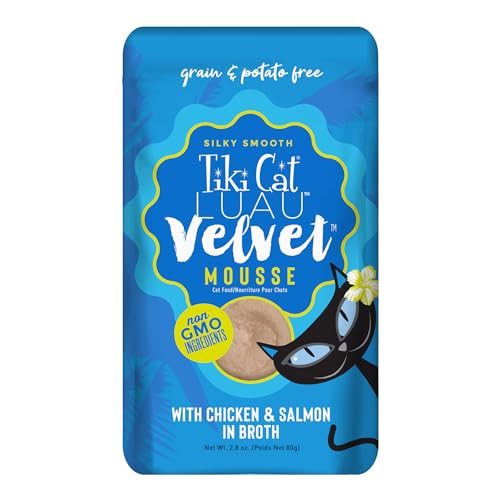
Our top pick is Purina Pro Plan Focus Urinary Tract Health Grain Free Formula. It combines high-quality animal protein with controlled minerals to support urinary health, and its grain-free recipe suits cats with sensitivities. For a wet food option, Tiki Cat Velvet Mousse provides excellent moisture and is ideal for picky eaters. Hill’s Science Diet Urinary Hairball Control is a strong runner-up for cats needing both urinary and hairball management.
What to consider for Grain Free Cat Food For Urinary Health
When selecting a grain-free cat food for urinary health, focus on moisture content, mineral balance (especially magnesium, phosphorus, and calcium), and the ability to maintain a healthy urine pH. Wet foods are often preferred because they increase water intake, which helps dilute urine and reduce crystal formation. Look for named animal protein sources (e.g., chicken, fish) as the first ingredient, and ensure the food meets AAFCO nutrient profiles for the appropriate life stage. Avoid excessive carbohydrates, which can contribute to alkaline urine. Always consult your veterinarian before making dietary changes, especially if your cat has a history of urinary issues.
What to look for in a cat food
Choose a cat food that is AAFCO complete and balanced for your cat’s life stage (kitten, adult, senior). The first ingredient should be a named meat, such as chicken or salmon, providing high-quality animal protein. Adequate taurine levels are essential for heart and eye health. For urinary health, moisture-rich wet food can help maintain hydration and dilute urine. Dry food can be acceptable if your cat drinks plenty of water, but wet food is often recommended. Ensure the food is appropriate for your cat’s age and health condition; for example, senior cats may benefit from lower phosphorus levels.
How we chose these picks
- Evaluated ingredient lists for named animal protein as the first ingredient and absence of grains.
- Checked guaranteed analysis for appropriate protein, fat, and fiber levels.
- Reviewed mineral content (magnesium, phosphorus, calcium) to support urinary health.
- Considered moisture content; wet foods prioritized for hydration benefits.
- Ensured products meet AAFCO nutrient profiles for the intended life stage.
- Selected products from reputable brands with positive customer feedback and transparent sourcing.
- Cross-referenced with veterinary nutritional guidelines for urinary health.
- Never ranked a product higher just because it pays a commission.
What to avoid
- Avoid foods with unnamed meat or by-products as the first ingredient; they may lack consistent quality.
- Steer clear of recipes with insufficient animal protein or high carbohydrate content, which can affect urine pH.
- Do not choose a food that does not list taurine or has inadequate levels; taurine is essential for cats.
- Avoid defaulting to all-life-stages food for a senior or kitten without checking specific nutrient requirements.
- Do not switch your cat’s diet abruptly; transition over 7 to 10 days to avoid digestive upset.
For more information, visit our cat guides, cat food, cat health, and cat care products sections.