Quick answer
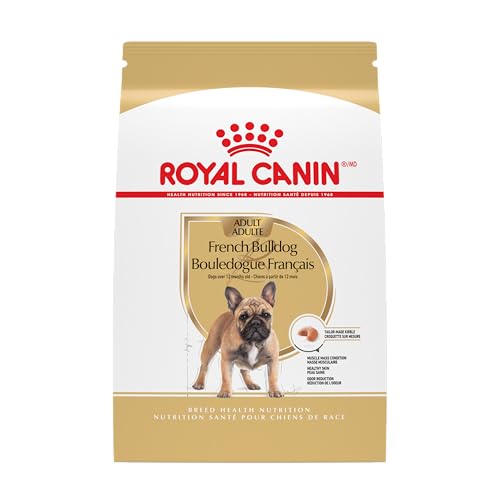
Our top pick is Royal Canin Boston Terrier Adult Dry Dog Food, because it’s breed-specific with kibble shaped for their short snouts and balanced nutrients for skin and coat. For a more budget-friendly option, Purina Pro Plan Sensitive Skin & Stomach Salmon & Rice Formula is excellent, especially for dogs with food sensitivities. Hill’s Science Diet Small & Toy Breed is ideal for weight management.
What to consider for Grain Inclusive Dog Food For Boston Terriers
Boston Terriers are brachycephalic (flat-faced), which can make eating difficult; kibble size and shape matter. They are prone to gas, food allergies, and skin issues, so limited ingredients and novel proteins help. As a small breed, they need higher calorie density and smaller kibble. Joint health is important due to risk of patellar luxation, so look for glucosamine and chondroitin. Grain-inclusive diets provide fiber and nutrients, but avoid fillers like corn gluten meal.
What to look for in a dog food
First, ensure the food is AAFCO complete and balanced for your Boston’s life stage (puppy, adult, or senior). Look for a named meat as the first ingredient (e.g., chicken, salmon, lamb). Protein content should be 25-30% for adults, fat 12-18% for energy without obesity. Calorie density around 350-400 kcal/cup is typical for small breeds. Kibble size should be small and ideally shaped for brachycephalic dogs. Added glucosamine and omega-3 fatty acids support joints and skin. Avoid artificial preservatives, colors, and excessive sodium.
How we chose these picks
- Evaluated ingredients against AAFCO nutrient profiles for small breed adults and puppies.
- Selected only grain-inclusive formulas with whole grains like brown rice, oats, or barley.
- Prioritized named animal protein as first ingredient and avoided unnamed meat meals.
- Checked for breed-specific or small breed formulations when available.
- Considered common Boston Terrier health issues: allergies, flatulence, joint problems.
- Reviewed customer feedback for palatability and digestive tolerance.
- Compared price per pound to ensure value across budgets.
- Never ranked a product higher just because it pays a commission.
What to avoid
- Avoid foods with unnamed “meat meal” as the only protein source; always look for named meals like chicken meal or salmon meal.
- Do not default to grain-free diets unless specifically recommended by a veterinarian; the FDA is investigating a potential link between grain-free diets and canine dilated cardiomyopathy (DCM). Grain-inclusive is the safer choice for most dogs.
- Avoid all-life-stages formulas for Boston Terrier puppies; they need a food formulated for small breed puppies to ensure proper growth.
- Never switch foods abruptly; transition over 7-10 days to avoid digestive upset.
- Steer clear of foods with high levels of legumes (peas, lentils) as primary ingredients, which may be linked to DCM concerns.
For more guides, visit our dog guides and explore dog food or dog nutrition resources.


