Quick answer
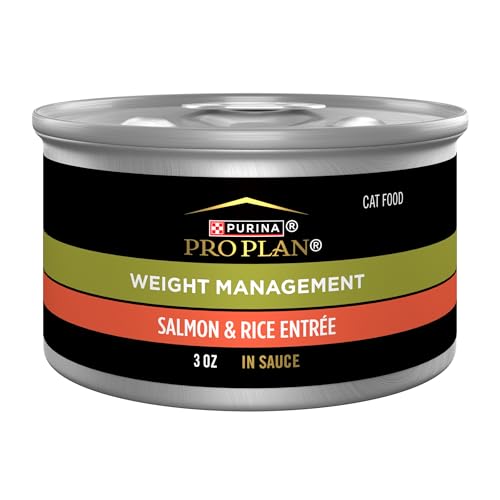
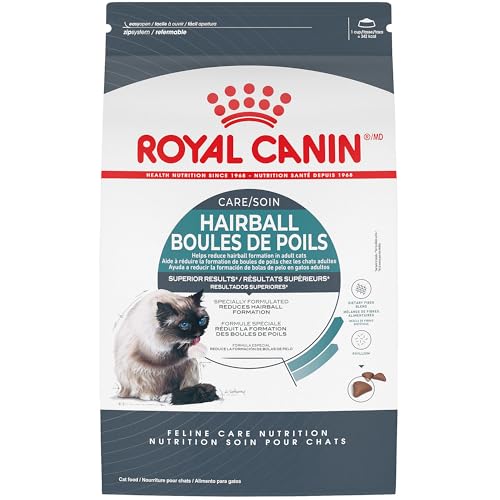
Our top pick is Hill’s Science Diet Adult Hairball Control dry cat food. It uses natural fiber to help move hair through the digestive tract and is designed for indoor cats who need less energy but more enrichment. For cats that prefer wet food, Purina Pro Plan Hairball Management wet food is a great runner-up with high moisture and added fiber.
What to consider for Hairball Control Cat Food For Cats That Need Enrichment
Cats that need enrichment often live indoors and may groom more out of boredom, leading to hairballs. A food with balanced fiber (soluble and insoluble) helps hair pass naturally. Also consider texture: crunchy kibble can be used in puzzle feeders, while wet food can be spread on lick mats. Look for recipes with named animal protein first and adequate taurine. Avoid over-supplementing fiber, which can reduce nutrient absorption.
What to look for in a cat food
First, ensure the food is AAFCO complete and balanced for your cat’s life stage (kitten, adult, senior). The first ingredient should be a named meat (e.g., chicken, salmon) to provide high-quality animal protein. Taurine is an essential amino acid for cats; it must be present in adequate amounts. Moisture content matters: wet food (around 78% moisture) supports urinary health, while dry food (10% moisture) is convenient for puzzle feeders. Choose a formula suited to your cat’s age and health needs.
How we chose these picks
- Evaluated fiber content and source (e.g., psyllium, cellulose, beet pulp).
- Checked that the first ingredient is a named meat.
- Verified AAFCO statement for appropriate life stage.
- Considered texture and shape for enrichment (e.g., kibble size for puzzle toys).
- Reviewed ingredient lists for artificial additives.
- Selected products from reputable brands with established quality control.
- Compared price per pound to ensure value.
- Never ranked a product higher just because it pays a commission.
What to avoid
- Avoid foods with unnamed meat or by-products as the first ingredient.
- Avoid recipes that are low in animal protein (below 30% crude protein on a dry matter basis).
- Avoid foods without a guaranteed taurine level or that use only plant proteins.
- Do not assume an all-life-stages food is ideal for a senior or kitten; check specific needs.
- Avoid abrupt diet changes; transition over 7 to 10 days to prevent digestive upset.
For more cat care advice, visit our cat guides section, or explore cat food reviews and cat health tips.