Quick answer
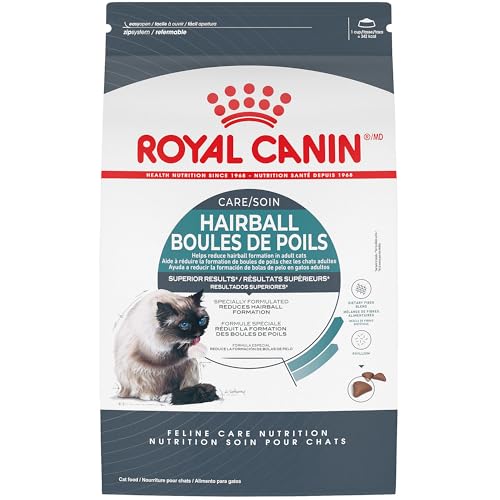
Our top pick is Hill’s Science Diet Adult Hairball Control & Skin Health, which combines natural fiber for hairball reduction with omega-6 fatty acids and vitamin E for healthy skin and coat. For cats with sensitive stomachs, Royal Canin Hairball Care Dry Cat Food is a great alternative. If you prefer wet food, Purina Pro Plan Hairball Management Salmon & Rice Formula provides moisture and hairball control.
What to consider for Hairball Control Cat Food For Cats With Dandruff
When choosing a hairball control cat food for cats with dandruff, look for a formula that addresses both issues simultaneously. Dandruff often indicates dry skin or a lack of essential fatty acids, so the food should contain omega-3 and omega-6 fatty acids (like fish oil or flaxseed) to support skin health. For hairball control, the food should have a balanced fiber source (such as cellulose or psyllium) to help move hair through the digestive tract. Avoid foods with excessive fillers or low-quality proteins, as these can worsen skin conditions. Also, ensure the food is appropriate for your cat’s life stage and health status.
What to look for in a cat food
Look for a statement that the food is formulated to meet AAFCO nutrient profiles for the appropriate life stage (adult maintenance, growth, or all life stages). The first ingredient should be a named animal protein (e.g., chicken, salmon, turkey). Adequate animal protein (typically 30-40% dry matter) and taurine (essential for heart and eye health) are crucial. For cats with dandruff, omega-3 and omega-6 fatty acids are beneficial. Moisture content is important: wet food can help with hydration and urinary health. Finally, choose a food tailored to your cat’s specific needs, such as hairball control or sensitive skin.
How we chose these picks
- Evaluated ingredient lists for named animal protein as the first ingredient
- Checked for inclusion of omega-3 and omega-6 fatty acids for skin health
- Verified that the food contains a fiber source for hairball control (e.g., cellulose, psyllium)
- Ensured the food meets AAFCO nutrient profiles for the intended life stage
- Considered brand reputation and history of quality control
- Read customer reviews to identify common positive and negative experiences
- Compared price per pound to offer options at different budgets
- Never ranked a product higher just because it pays a commission
What to avoid
- Foods with no named meat or too little animal protein (e.g., vague “meat meal” or “poultry by-product”)
- A taurine-deficient recipe (taurine must be added in cat food)
- Defaulting to all-life-stages food for a senior or kitten without checking specific nutrient levels
- Abrupt diet switches (always transition over 7-10 days to avoid digestive upset)
For more guidance, explore our cat guides, cat food, and cat health resources.