Quick answer
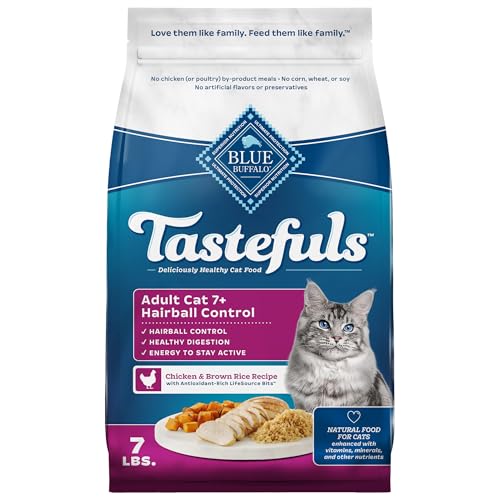
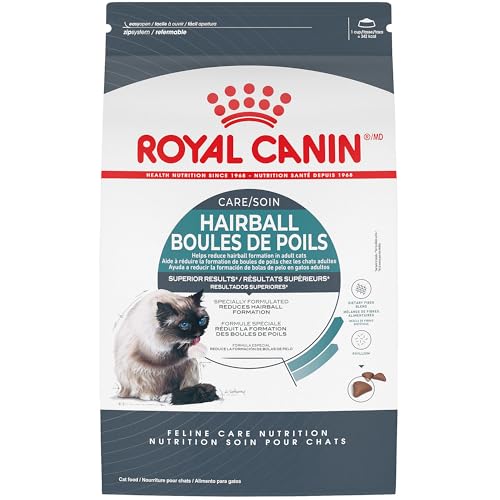
Our top pick for hairball control and itchy skin is Hill’s Science Diet Adult Hairball Control & Skin Health. It combines natural fiber to reduce hairballs with omega-6 and vitamin E for a healthy coat and skin. For cats with sensitive stomachs, Purina Pro Plan Sensitive Skin & Stomach is a close runner-up with easily digestible ingredients.
What to consider for Hairball Control Cat Food For Itchy Skin
When choosing a cat food for hairball control and itchy skin, look for a formula that addresses both issues simultaneously. Hairball control typically requires adequate fiber (soluble and insoluble) to help move hair through the digestive tract. For itchy skin, omega-3 and omega-6 fatty acids, particularly from fish oil or flaxseed, can support skin barrier function and reduce inflammation. Avoid foods with common allergens like corn, wheat, soy, or artificial additives, as these can exacerbate skin issues. Additionally, ensure the food is complete and balanced for your cat’s life stage.
What to look for in a cat food
First, verify the food has an AAFCO statement confirming it is complete and balanced for your cat’s life stage (adult, kitten, or senior). The first ingredient should be a named meat source (e.g., chicken, salmon) to ensure adequate animal protein. Cats require taurine, an essential amino acid, so check that it is added. For hairball control, fiber sources like cellulose or psyllium are beneficial. For skin health, look for omega fatty acids (listed as fish oil, flaxseed, or sunflower oil). Moisture content matters: wet food can help with hydration and urinary health, while dry food may be more convenient. Finally, consider any specific health needs like weight management or urinary care.
How we chose these picks
- Evaluated ingredient lists for named meat protein as the first ingredient.
- Checked for added fiber sources (cellulose, psyllium, beet pulp) to aid hairball passage.
- Ensured inclusion of omega-3 and omega-6 fatty acids for skin and coat health.
- Verified AAFCO nutritional adequacy statements for the appropriate life stage.
- Reviewed customer feedback for effectiveness in reducing hairballs and improving skin condition.
- Considered brand reputation and manufacturing quality standards.
- Compared price per serving to offer options across budgets.
- Never ranked a product higher just because it pays a commission.
What to avoid
- Foods with unnamed meat sources (e.g., “meat meal” or “poultry by-product”) as they may lack quality protein.
- Recipes with insufficient animal protein (below 30% crude protein for dry food).
- Foods that do not list taurine supplementation, as deficiency can cause serious health issues.
- Defaulting to all-life-stages food for a senior or kitten without checking specific needs (e.g., lower phosphorus for seniors, higher calories for kittens).
- Abrupt diet switches; always transition over 7 to 10 days to avoid digestive upset.
Explore more of our cat guides, including cat food and cat health resources.