Quick answer
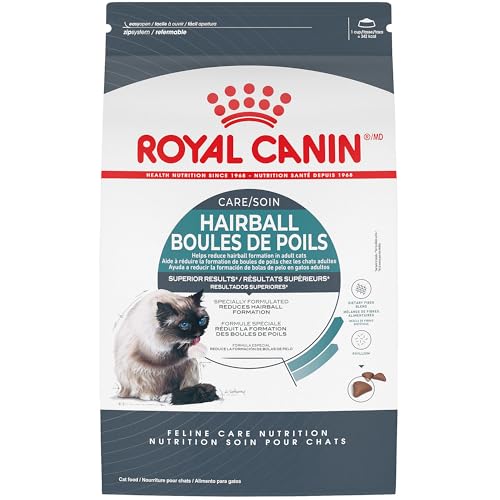
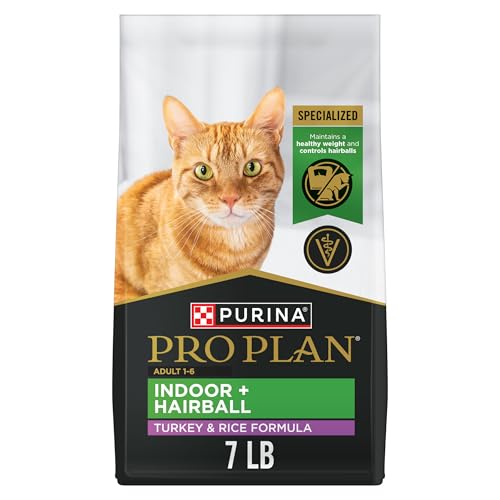
Our top pick is Hill’s Science Diet Adult Hairball Control Chicken Recipe. It provides natural fiber to reduce hairballs and high-quality protein for muscle maintenance. For cats with sensitive stomachs, Royal Canin Hairball Care is a close second. If you prefer wet food, Purina Pro Plan Hairball Management Turkey & Rice Entree is excellent for hydration.
What to consider for Hairball Control Cat Food For Outdoor Cats
Outdoor cats are more active and exposed to environmental factors. Hairball control foods for them should have adequate fiber (around 3-5% crude fiber) to help move hair through the digestive tract. They also need higher protein (30-40% dry matter) to support muscle mass from roaming. Omega fatty acids help skin and coat health, reducing shedding. Wet food can aid hydration, important for urinary health in active cats. Avoid foods with excessive carbohydrates, which can contribute to obesity.
What to look for in a cat food
Look for an AAFCO statement of nutritional adequacy for the appropriate life stage (adult maintenance for most outdoor cats). The first ingredient should be a named meat source (e.g., chicken, turkey, salmon). Ensure the food contains taurine, an essential amino acid for heart and eye health. Moisture content matters: wet food (75-85% moisture) supports hydration, while dry food (10% moisture) is convenient. Choose a product suited to your cat’s age and health needs.
How we chose these picks
- Evaluated fiber content to ensure effective hairball control.
- Checked protein levels to meet energy needs of active outdoor cats.
- Reviewed ingredient lists for named meat sources and absence of fillers.
- Considered brand reputation and adherence to AAFCO standards.
- Assessed moisture content for hydration benefits.
- Read customer feedback for palatability and digestive tolerance.
- Compared price per pound to offer options for different budgets.
- Never ranked a product higher just because it pays a commission.
What to avoid
- Avoid foods with unnamed meat or by-products as primary ingredients.
- Steer clear of recipes with insufficient taurine (check the guaranteed analysis).
- Do not default to all-life-stages food without verifying it meets your cat’s specific needs (e.g., senior or kitten).
- Avoid abrupt diet switches; transition over 7-10 days to prevent digestive upset.
For more guidance, explore our cat guides, cat food, and cat health resources.