Quick answer
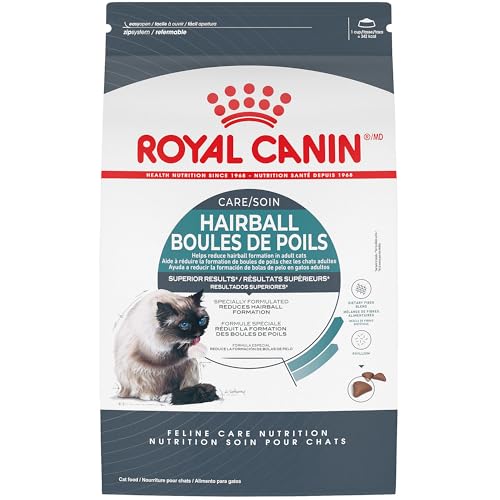
Our top pick is Hill’s Science Diet Adult Hairball Control dry cat food. It uses a natural fiber blend to reduce hairballs and is backed by decades of research. For cats with very sensitive stomachs, the Royal Canin Hairball Care formula is a close second. If you need a budget-friendly option, Purina ONE Hairball Formula offers solid nutrition at a lower price.
What to consider for Hairball Control Cat Food For Rescue Cats
Rescue cats often arrive with unknown dietary histories, stress, and potential digestive issues. Hairball control foods work by adding fiber to help hair pass through the digestive tract rather than accumulating. However, too much fiber can cause loose stools or reduce nutrient absorption. Look for a moderate fiber content (around 3 to 5 percent crude fiber) from sources like psyllium, beet pulp, or cellulose. Also ensure the food is complete and balanced for the cat’s life stage, as rescue cats can range from kittens to seniors. Wet food can help with hydration and may be easier to digest, but dry kibble with fiber is often more convenient for multi-cat rescue situations.
What to look for in a cat food
First, verify the food is AAFCO complete and balanced for the appropriate life stage (adult maintenance, growth, or all life stages). The first ingredient should be a named meat source like chicken, salmon, or turkey, providing high-quality animal protein. Taurine is an essential amino acid for cats and must be present in adequate amounts (most commercial foods meet this). Moisture content matters: wet food contains about 75 to 85 percent water, which supports urinary health, while dry food has around 10 percent. For hairball control, look for added fiber and omega-3 fatty acids for skin and coat health. Finally, consider any special needs: grain-free is not necessary unless your cat has a diagnosed allergy, and probiotics can aid digestion for stressed rescue cats.
How we chose these picks
- We reviewed ingredient lists for named protein sources and appropriate fiber levels.
- We prioritized brands with a history of feeding-data reviews and AAFCO compliance.
- We considered the specific needs of rescue cats, such as palatability and digestive sensitivity.
- We evaluated price per pound to ensure value for rescue organizations and adopters.
- We looked for formulas that support overall health, not just hairball control.
- We consulted publicly available nutritional information from manufacturers.
- Never ranked a product higher just because it pays a commission.
What to avoid
- Avoid foods with unnamed meat or meat by-products as the first ingredient, as they indicate lower quality.
- Skip recipes that lack added taurine or have insufficient animal protein.
- Do not default to an all-life-stages food for a senior or kitten without checking the specific nutrient profile.
- Avoid abrupt diet switches; transition over 7 to 10 days to prevent digestive upset.
For more guidance, check out our cat guides, as well as cat food and cat health sections.