Quick answer
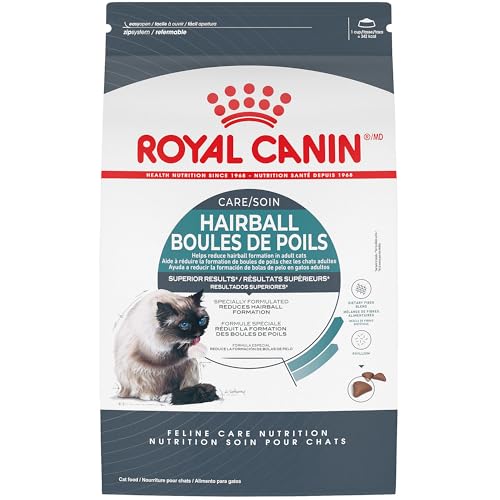
Our top pick is Royal Canin Hairball Care Dry Cat Food, which uses a blend of fibers to help hair pass through the digestive tract and reduce vomiting. For cats with sensitive stomachs, Hill’s Science Diet Sensitive Stomach & Skin is a strong runner-up. If you prefer wet food, Purina Pro Plan Hairball Management Wet Cat Food offers high moisture and fiber.
What to consider for Hairball Control Cat Food For Vomiting Cats
Hairball control cat foods are designed to reduce hairball formation and vomiting by increasing dietary fiber to help hair move through the digestive system. Key considerations include the type of fiber (soluble vs. insoluble), protein source, and moisture content. Cats that vomit frequently may also benefit from easily digestible ingredients and limited additives. Always consult your veterinarian before switching foods, especially if vomiting persists.
What to look for in a cat food
Look for an AAFCO statement indicating the food is complete and balanced for your cat’s life stage (adult, kitten, or senior). The first ingredient should be a named meat source (e.g., chicken, salmon) to ensure adequate animal protein. Taurine is an essential amino acid for cats and must be present. For hairball control, fiber sources like psyllium or cellulose are beneficial. Wet food provides extra moisture, supporting urinary health. Choose a formula tailored to your cat’s age and health needs.
How we chose these picks
- Evaluated ingredient lists for named meat as first ingredient and adequate protein content.
- Checked for AAFCO nutritional adequacy statements for the appropriate life stage.
- Reviewed fiber content and sources (e.g., psyllium, cellulose) for hairball control.
- Considered moisture level: wet foods offer hydration benefits.
- Assessed brand reputation and history of quality control.
- Read customer feedback on palatability and digestive tolerance.
- Compared price per serving to ensure value.
- Never ranked a product higher just because it pays a commission.
What to avoid
- Avoid foods with vague meat meals or by-products as the first ingredient.
- Steer clear of recipes with insufficient animal protein (under 30% dry matter).
- Do not choose a taurine-deficient formula; taurine must be added.
- Do not assume an all-life-stages food is suitable for kittens or seniors without checking specific nutrient levels.
- Avoid abrupt diet changes; transition over 7 to 10 days to prevent digestive upset.
For more guidance, explore our cat guides, cat food reviews, and cat health tips.


